Santa Clara: 408-249-5121
Why Parents Choose Invisalign for Their Children and Teens


Why Parents Choose Invisalign for Their Children and Teens
Parents increasingly choose Invisalign for children and teens because it offers a discreet, removable, and flexible alternative to traditional braces. Many families appreciate that clear aligners make brushing easier, reduce food restrictions, and fit more naturally into school schedules, sports, and social activities.
For growing children and teenagers, orthodontic treatment is not only about straighter teeth. Proper bite alignment can influence speech development, oral hygiene, chewing comfort, and long-term dental health. Orthodontic planning during childhood also allows providers to monitor jaw growth and tooth eruption patterns while permanent teeth continue developing.
Families throughout the area often look for treatment options that fit naturally into busy routines filled with school events, weekend outings, and after-school activities. Whether children are spending time around Santana Row, enjoying ramen in Japantown, or attending Sharks games downtown, many parents prefer orthodontic care that feels less disruptive to everyday life.
At Silicon Valley Pediatric Dentistry & Orthodontics, Dr. Duy Bui, Dr. Janice Hwang, Dr. Jennifer Xu, and Dr. Nathanael Dejene provide orthodontic evaluations designed around each child’s stage of development, bite alignment, and long-term oral health needs. The team evaluates whether Invisalign clear aligners or traditional braces are the most appropriate option for each patient. Families interested in personalized orthodontic care can schedule a consultation to learn more about available treatment options.
Why Invisalign Appeals to Modern Families
Parents today often want orthodontic treatment that works with their child’s lifestyle rather than interrupting it. Invisalign aligners offer a removable orthodontic solution that many children and teens find easier to manage during daily routines.
According to the Centers for Disease Control and Prevention (CDC), oral health directly affects eating, speaking, learning, and overall quality of life in children and adolescents. Early orthodontic evaluations may help identify developing alignment concerns before they become more complicated later in life.
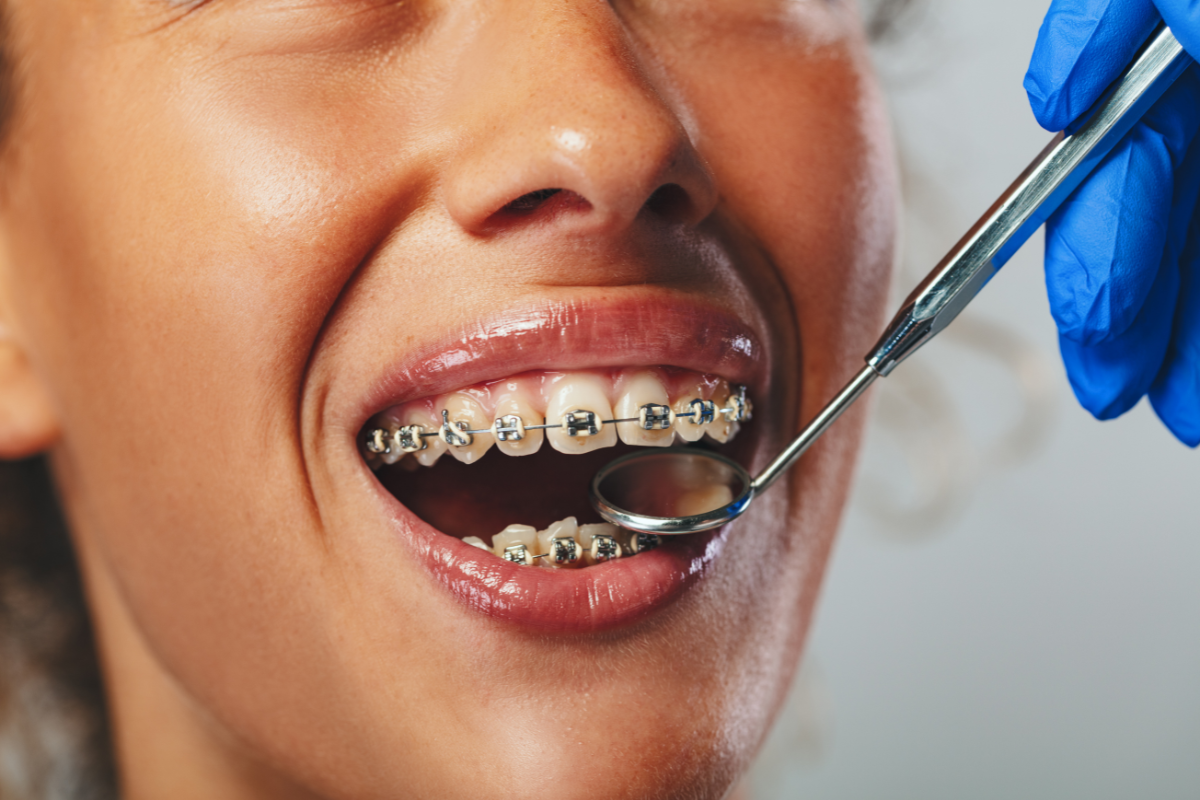
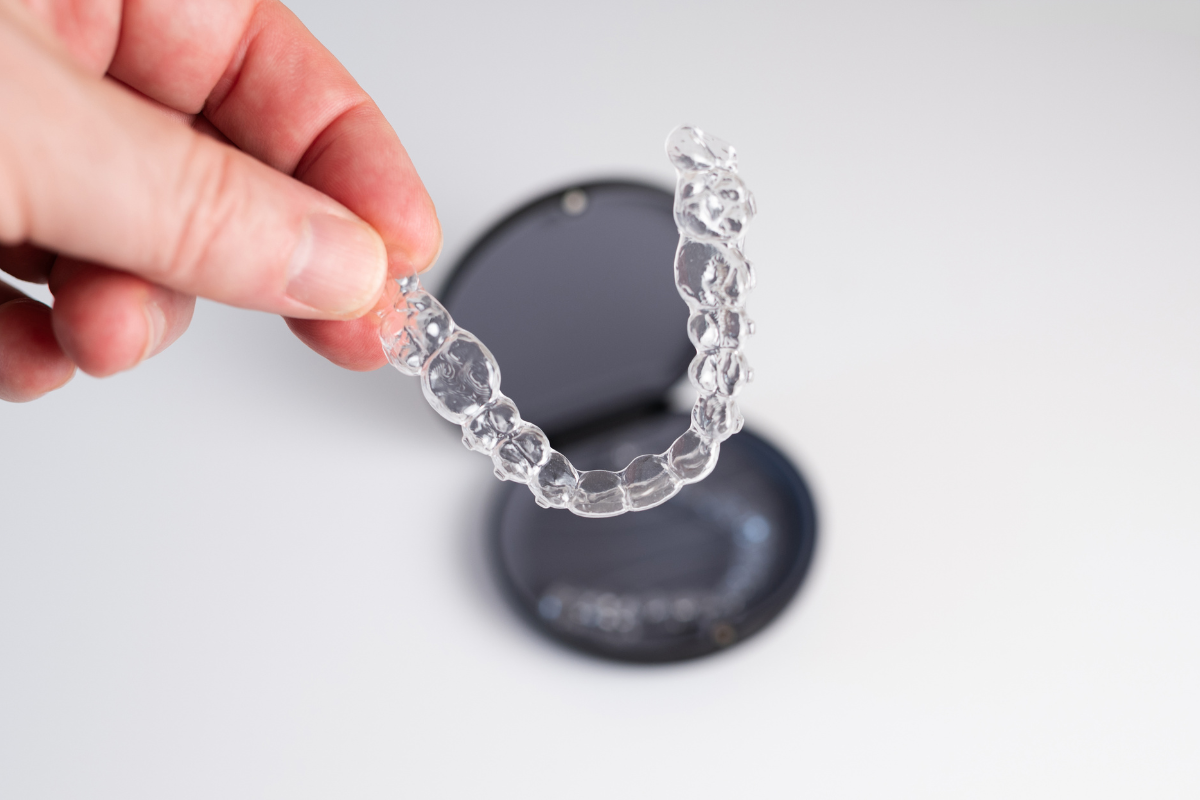
Unlike traditional braces, clear aligners do not use metal brackets or wires attached to the teeth. Instead, patients wear a series of custom-made trays that gradually move teeth into healthier positions over time.
Many families choose Invisalign because it can help simplify several everyday challenges:
- Easier brushing and flossing
- Fewer food restrictions
- Reduced irritation inside the mouth
- Less visibility during treatment
- Greater flexibility during sports and activities
- Fewer unexpected orthodontic emergencies
For teenagers balancing academics, extracurricular activities, and social events, that flexibility often becomes a major advantage.
Better Oral Hygiene During Orthodontic Treatment
Maintaining oral hygiene with traditional braces can sometimes become difficult for younger patients. Food particles may collect around brackets and wires, increasing the risk of plaque buildup and enamel staining if brushing habits are inconsistent.
Since Invisalign aligners are removable, children and teens can brush and floss more effectively before placing the trays back into their mouths. This allows oral hygiene routines to remain closer to normal throughout treatment.
Parents often find this especially helpful during busy mornings, school events, family travel, and packed after-school schedules where orthodontic emergencies are harder to manage.
For families who enjoy local favorites like orange sauce burritos, boba drinks, or garlic fries during hockey season, removable aligners can also make eating more convenient compared to traditional braces.
Comfort Plays a Major Role in Treatment Success
Orthodontic treatment can last many months, making comfort an important factor for both children and parents.
Traditional braces may occasionally cause irritation when brackets or wires rub against the cheeks and lips. Emergency visits can also become necessary if wires loosen or brackets break.
Invisalign aligners are made from smooth plastic and customized specifically for the patient’s teeth. Many teens and children adjust to them relatively quickly because there are no sharp metal components inside the mouth.
This can be especially helpful for students involved in sports, theater programs, public speaking activities, or music performances where comfort and confidence matter throughout the day.
Children who feel comfortable during treatment are often more consistent about following orthodontic instructions, which can contribute to better long-term results.
This Treatment Can Help Teens Feel More Confident
Teenage years often bring increased self-awareness about appearance. Many teenagers feel hesitant about wearing highly visible orthodontic appliances during school, social events, or extracurricular activities.
Clear aligners offer a less noticeable treatment option that many teens find easier to accept emotionally. While orthodontic treatment should always prioritize oral health and bite function first, confidence still plays an important role in overall well-being.
Teens who feel less self-conscious during treatment are often more willing to smile naturally, participate socially, and stay consistent with aligner wear throughout the process.
For students taking graduation photos, attending dances, interviewing for internships, or participating in performances, discreet orthodontic treatment can make daily interactions feel more comfortable.
Fewer Food Restrictions Make Daily Life Easier
One of the most common frustrations associated with braces involves food limitations. Sticky candy, popcorn, crunchy snacks, and chewy foods can damage wires or brackets, sometimes leading to additional appointments.
With Invisalign, aligners are removed during meals. Children and teens can continue enjoying many favorite foods without the same concerns about damaging orthodontic hardware.
That flexibility often matters during birthday parties, local festivals, family dinners, and school celebrations where food restrictions can otherwise feel limiting.
The removable design also benefits student athletes and musicians. Teens playing contact sports or wind instruments often appreciate treatment that interferes less with their regular routines.
Early Orthodontic Evaluations Can Be Beneficial
Many parents wait until severe crowding or obvious bite issues appear before scheduling an orthodontic evaluation. However, early monitoring may identify concerns while the mouth and jaw are still developing.
The American Association of Orthodontists recommends that children receive an orthodontic evaluation by age seven. Early assessments allow orthodontic providers to monitor jaw growth, spacing patterns, and permanent tooth eruption more effectively.
Early evaluations do not always mean treatment begins immediately. In many cases, the goal is simply observation and proper timing.
Families who begin monitoring earlier often gain more flexibility when choosing future treatment options.
Reasons Why Choosing the Right Orthodontic Provider Matters
Orthodontic care affects much more than appearance alone. Proper alignment may influence oral hygiene, chewing efficiency, speech patterns, and long-term dental stability.
Families searching for an orthodontist in San Jose often prioritize providers who understand both orthodontic development and pediatric patient care.
Children and teens typically respond best when treatment feels supportive, comfortable, and clearly explained. Providers who communicate effectively with both parents and younger patients often help improve cooperation and long-term treatment success.
For many families balancing demanding work schedules, school responsibilities, and extracurricular activities common throughout Silicon Valley communities, having a reliable orthodontic team can make treatment significantly less stressful.
A Healthier Smile Starts With the Right Guidance
Choosing orthodontic treatment for a child or teenager involves more than simply straightening teeth. Parents want solutions that support long-term oral health, fit comfortably into busy schedules, and help children feel confident throughout treatment. That is one reason Invisalign continues to appeal to many families looking for a modern orthodontic option. Successful orthodontic treatment always begins with a proper evaluation.
If you are considering Invisalign or other orthodontic treatment options for your child, now is the right time to schedule a professional evaluation. Book a consultation with our team today to learn how personalized orthodontic care can support your child’s comfort, confidence, and long-term oral health.
FAQs
Can Invisalign help crowded teeth in teenagers?
Yes. Invisalign can help improve mild to moderate crowding in many teens. Treatment plans depend on tooth positioning, bite alignment, and how consistently aligners are worn daily.
Are Invisalign aligners effective for overbites in teens?
Many overbite cases can be treated successfully with Invisalign aligners. Orthodontic evaluations help determine whether clear aligners are appropriate for a teenager’s bite condition.
At what age can children start Invisalign treatment?
Children may qualify once enough permanent teeth erupt, and they can follow aligner instructions consistently. Orthodontic evaluations help determine the right timing for treatment.
Does Invisalign hurt more than braces for teens?
Most teens describe Invisalign pressure as mild and temporary. Since aligners do not contain brackets or wires, they often cause less irritation inside the mouth.
Can teens play sports while using Invisalign?
Yes. Many teens remove aligners during contact sports if instructed by their orthodontic provider. The removable design often makes athletic activities more comfortable during treatment.
How long does Invisalign treatment usually take for teenagers?
Treatment timelines vary based on bite complexity and consistency with aligner wear. Many teen cases finish within 12 to 24 months with proper compliance.
What happens if a teen loses an Invisalign tray?
Parents should contact the orthodontic office promptly for guidance. Providers may recommend temporarily wearing the previous aligner or moving carefully to the next tray.