Santa Clara: 408-249-5121
How to Care for Ceramic Braces: Simple Tips for a Cleaner, More Confident Smile

How to Care for Ceramic Braces: Simple Tips for a Cleaner, More Confident Smile
Ceramic braces can help you achieve a straighter smile without the noticeable look of traditional metal braces. Their tooth-colored brackets blend in with your teeth, making them a popular option for teens and adults who want a more discreet orthodontic treatment. However, keeping them clean and looking their best takes extra attention.
If you are considering ceramic braces or already wearing them, knowing how to care for them can make a real difference. Food particles, plaque, and staining can collect around the brackets, while hard or sticky foods may damage the appliances. The right daily habits can help protect your teeth, keep your braces in good condition, and support your orthodontic progress.
An experienced orthodontist can guide you through proper brace care, explain what to avoid, and help you maintain good oral health throughout treatment. Here is what you need to know to care for ceramic braces with confidence.
Why Do Ceramic Braces Need Special Care?
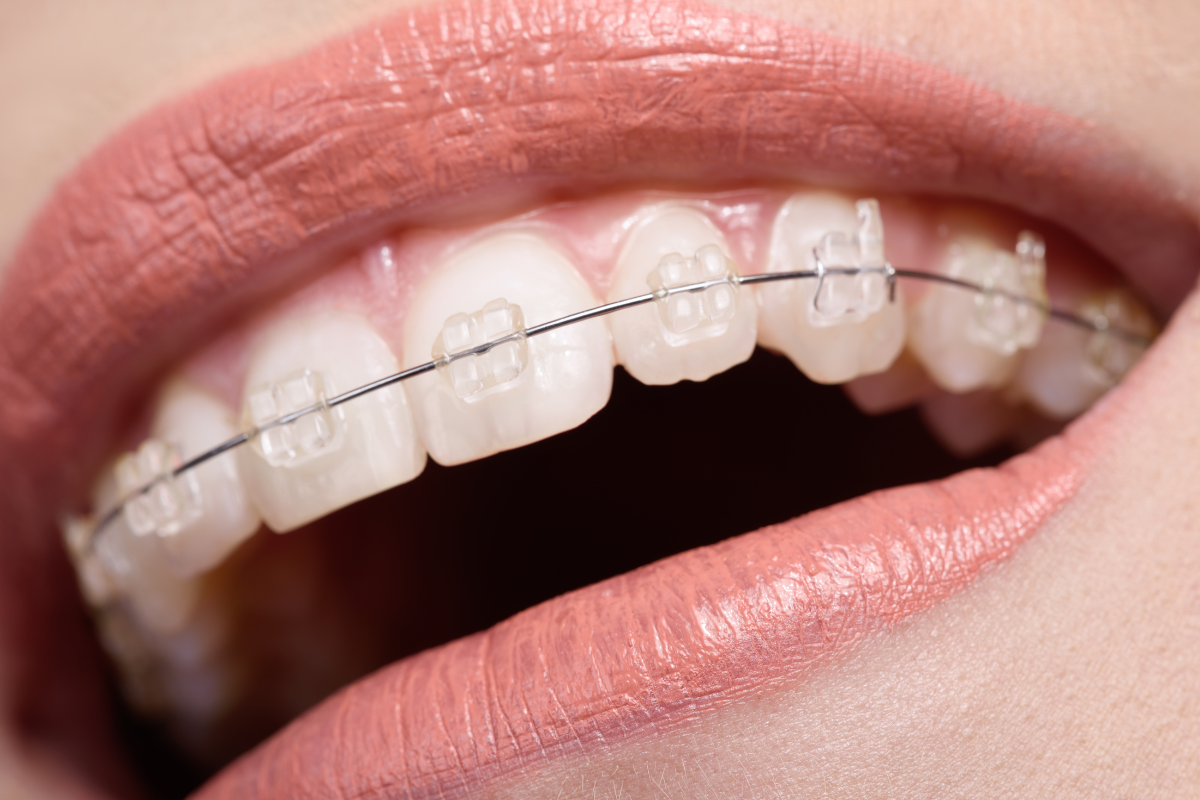
Ceramic braces work much like traditional metal braces. Small brackets are attached to the teeth and connected by a wire that applies gentle pressure to move teeth into better alignment.
The main difference is their appearance. Ceramic brackets are designed to match the natural color of your teeth, but the clear or tooth-colored materials and elastic ties can show discoloration if they are not cared for properly.
The ceramic brackets themselves are generally resistant to staining. However, the elastic ligatures used to hold the wire in place may discolor when exposed to certain foods and drinks. Plaque can also build up around the brackets, increasing the risk of white spots, cavities, and gum inflammation.
A consistent cleaning routine, smart food choices, and regular orthodontic visits can help keep your treatment on track.
7 Essential Tips for Taking Care of Ceramic Braces
- Brush Carefully After Every Meal
Food can easily get trapped around ceramic brackets and underneath orthodontic wires. If plaque remains on your teeth, it can lead to cavities, gum irritation, and permanent white marks on the enamel.
Follow these brushing tips:
- Brush after meals whenever possible.
- Use a soft-bristled toothbrush and fluoride toothpaste.
- Angle the brush toward the gumline, then clean above and below each bracket.
- Brush for about two minutes, covering every surface of every tooth.
If you cannot brush right away, rinse your mouth with water and brush as soon as you can.
- Floss Daily, Even When It Feels Difficult
Braces make flossing more challenging, but cleaning between your teeth is still essential. A floss threader, orthodontic floss, or water flosser can help you reach areas that a toothbrush may miss.
Carefully guide floss between the teeth and gently clean along the gumline. Avoid snapping the floss against your gums or pulling forcefully around the wire.
Daily flossing helps remove plaque between teeth and supports healthier gums throughout orthodontic treatment.
- Choose Foods That Protect Your Braces
Hard, sticky, and chewy foods can loosen brackets, bend wires, or make cleaning more difficult.
Limit or avoid:
- Hard candy, ice, and unpopped popcorn kernels.
- Chewy caramels, taffy, and sticky sweets.
- Whole raw apples, hard carrots, and other foods that require forceful biting.
- Chewing gum unless your orthodontist specifically approves it.
Choose instead: Soft fruits, cooked vegetables, eggs, yogurt, pasta, and other foods that are easy to chew. Cut firm foods into small pieces and chew gently with your back teeth.
- Reduce Foods and Drinks That Cause Staining
Ceramic brackets are designed to resist stains, but the elastic ties around them may discolor over time. Coffee, tea, red wine, dark sauces, and strongly colored foods can contribute to staining, especially around the brackets.
You do not necessarily need to avoid every colorful food. Instead, limit frequent exposure to heavily pigmented drinks and rinse your mouth with water afterward. Avoid sipping sugary or acidic drinks throughout the day, as they can increase the risk of tooth decay and enamel erosion.
Ask your orthodontist whether your elastic ties need replacement if discoloration becomes noticeable.
- Protect Your Braces During Sports and Activities
A direct hit to the mouth can damage brackets, wires, teeth, and the soft tissues inside your cheeks.
If you play contact sports, wear a properly fitted mouthguard designed for orthodontic appliances. Ask your orthodontist which type is appropriate for your braces.
Do not bite pens, chew your fingernails, or use your teeth to open packaging. These habits can put unnecessary pressure on the brackets and increase the risk of breakage.
- Keep Every Orthodontic Appointment
Regular appointments allow your orthodontist to monitor tooth movement, adjust the wire, check bracket condition, and identify potential problems early.
Professional cleanings may also be recommended during treatment to remove plaque and hardened tartar that cannot be removed with routine brushing alone.
If a bracket becomes loose or a wire starts poking your cheek, contact your orthodontic office rather than waiting for your next scheduled visit.
- Use the Right Tools for Everyday Cleaning
A few simple tools can make caring for ceramic braces easier:
- Interdental brushes: Clean around brackets and beneath wires.
- Fluoride toothpaste: Helps strengthen enamel and prevent cavities.
- Floss threaders or a water flosser: Help clean between teeth and around orthodontic hardware.
- Orthodontic wax: Helps reduce irritation when a bracket or wire rubs against your cheek.
Choose products recommended by your dental professional, and never use sharp objects to remove food trapped around your braces.
What Happens If You Do Not Care for Ceramic Braces Properly?
Poor oral hygiene and careless eating habits can affect both your teeth and your orthodontic appliances. Although ceramic braces are designed to be durable, they still need regular care.
Common problems include:
- Stained elastic ties: Discolored ligatures can make tooth-colored braces look less discreet.
- White spots on teeth: Plaque buildup can remove minerals from enamel, leaving permanent white marks around brackets.
- Gum inflammation: Plaque along the gumline can cause redness, swelling, and bleeding.
- Broken brackets or wires: Hard foods and habits such as biting pens can damage the appliance.
- Treatment delays: Broken components may require an extra appointment and can interrupt planned tooth movement.
The good news is that many of these problems can be prevented with consistent home care and regular orthodontic checkups.
When Should You Contact Your Orthodontist?
Some pressure and mild soreness are common after braces are placed or adjusted. However, certain symptoms need professional attention.
Contact your orthodontic office if you notice a loose bracket, a broken wire, persistent pain, swelling, or sores that do not improve. Orthodontic wax may temporarily protect an irritated area, but it does not repair damaged braces.
If you develop significant facial swelling, fever with worsening oral symptoms, or severe pain, seek prompt professional care. Difficulty breathing or swallowing requires emergency medical attention.
Do not try to bend a wire back into place with sharp tools or remove a bracket yourself. Your orthodontic team can advise you on the safest next step.
How an Orthodontist in Sunnyvale Can Help You Maintain Your Braces
Good home care is essential, but professional guidance can make your orthodontic journey easier. Your orthodontist can check your brackets and wires, assess tooth movement, review your cleaning technique, and help you address problems before they interfere with treatment.
Silicon Valley Pediatric Dentistry and Orthodontics offers traditional metal braces, ceramic braces, and Invisalign options. Its orthodontic team provides consultations to help patients understand their treatment choices and determine which approach fits their dental needs.
For families in Sunnyvale and nearby communities, having an orthodontic team available for routine visits and advice can help make brace care more manageable. Parents can also help younger patients build consistent habits by supervising brushing, preparing braces-friendly meals, and keeping track of orthodontic appointments.
Learn more about the practice’s orthodontic services to explore available treatment options.
Ready to Protect Your Smile Throughout Orthodontic Treatment?
Ceramic braces can help you work toward a straighter smile while keeping your orthodontic treatment less noticeable. The key is to care for them every day: brush thoroughly, floss consistently, choose braces-friendly foods, reduce exposure to staining drinks, and attend every scheduled checkup.
If you or your child wears ceramic braces, you do not have to figure out every detail alone. Schedule a consultation with an orthodontist in Sunnyvale to discuss your treatment needs, receive personalized care advice, and learn how to keep your teeth and braces in good condition.
Call 408-736-3311 or visit the Sunnyvale office page to arrange an appointment with Silicon Valley Pediatric Dentistry and Orthodontics.
Frequently Asked Questions
- How often should you brush your teeth with ceramic braces?
Brush at least twice a day and ideally after every meal. Use a soft-bristled toothbrush and fluoride toothpaste, taking extra care around the brackets, wires, and gumline.
- Do ceramic braces stain easily?
Ceramic brackets are generally resistant to staining, but the elastic ties holding the wire may discolor. Coffee, tea, dark sauces, and other strongly colored foods can contribute to staining. Good oral hygiene and regular orthodontic visits help keep your braces looking their best.
- What foods should you avoid with ceramic braces?
Avoid hard, sticky, and chewy foods such as hard candy, ice, caramel, and taffy. Cut firm fruits and vegetables into small pieces rather than biting directly into them. These habits can help prevent loose brackets and damaged wires.
- Can you use an electric toothbrush with ceramic braces?
Yes. An electric toothbrush can clean around ceramic brackets effectively when used gently and correctly. Choose a brush head suitable for braces, follow the manufacturer’s instructions, and make sure you clean every tooth surface.
- How do you remove food stuck in ceramic braces?
Rinse with water, then use a soft-bristled toothbrush or an interdental brush to gently remove trapped food. Floss threaders and water flossers can help clean between teeth. Avoid using pins, sharp toothpicks, or other objects that could damage your gums or braces.
- How can you prevent white spots when wearing ceramic braces?
Brush thoroughly with fluoride toothpaste, clean between your teeth daily, and limit frequent sugary snacks and drinks. White spots can develop when plaque stays around brackets for long periods. If you notice chalky marks on your teeth, ask your dentist or orthodontist for advice.
- Are ceramic braces suitable for teenagers?
Ceramic braces may be suitable for some teenagers, depending on their orthodontic needs, bite, oral hygiene, and lifestyle. An orthodontist can assess whether ceramic or metal braces—or another option—would be appropriate.
- How often should you visit the orthodontist while wearing ceramic braces?
Appointment schedules vary according to the treatment plan and the type of adjustments needed. Many patients have visits every four to eight weeks, but your orthodontist will recommend the right interval for your individual case. Contact the office if a bracket breaks or another problem develops between visits.
Medical Disclaimer – This article is intended for general educational purposes and does not replace professional dental advice, diagnosis, or treatment. Follow your orthodontist’s instructions and seek professional guidance for concerns about your braces or oral health.