Santa Clara: 408-249-5121
The Journey to a Beautiful Smile: Step-by-Step Guide to Orthodontic Treatment



The Journey to a Beautiful Smile: Step-by-Step Guide to Orthodontic Treatment
A straighter smile does not happen overnight. It takes careful planning, consistent care, and the right treatment approach for your unique dental needs. Whether you are considering braces for your child, clear aligners for a teenager, or treatment as an adult, knowing what to expect can make the process feel much easier.
Orthodontic treatment is about more than creating a beautiful smile. Proper alignment can support better oral function, make teeth easier to clean, and address bite-related concerns. At Silicon Valley Pediatric Dentistry & Orthodontics, treatment is planned around each patient’s age, dental development, goals, and individual needs.
Here is what you can expect throughout the journey toward a healthier, more confident smile.
Signs You May Benefit From Orthodontic Treatment
Not every alignment concern is immediately obvious. Some issues may affect appearance, while others can influence chewing, speech, oral hygiene, or bite function.
You or your child may benefit from an evaluation if you notice:
- Crowded or overlapping teeth
- Gaps or spaces between teeth
- An overbite, underbite, or crossbite
- Teeth that do not come together properly
- Difficulty chewing certain foods
- Frequent biting of the cheeks or tongue
- Teeth that are difficult to clean because of their position
- Jaw discomfort or clicking
- Mouth breathing or unusual swallowing patterns
Children can sometimes benefit from an early evaluation because developing dental and jaw concerns may be easier to manage when identified at the right stage. Adults can also receive treatment to improve alignment, function, and the appearance of their smiles.
If you notice any of these concerns, a professional evaluation can help determine whether treatment is necessary.
Step 1: Start With a Comprehensive Consultation
The first stage is an evaluation of your teeth, bite, and overall orthodontic needs. During this appointment, your provider will learn about your dental history and discuss the concerns you would like to address.
Depending on your situation, the evaluation may include digital X-rays, scans, photographs, and an examination of your teeth and jaws.
Your provider will also discuss your goals and answer questions about possible treatment options. This is an important opportunity to understand your condition and learn what type of care may be appropriate.
A thorough consultation creates the foundation for a treatment plan that is based on your specific needs rather than a one-size-fits-all approach.
Step 2: Develop a Personalized Treatment Plan
After the initial evaluation, your orthodontic team can create a treatment plan based on your age, dental development, bite, alignment concerns, and lifestyle.
Treatment options can vary from patient to patient.
Early Treatment
For some younger children, early intervention can help guide dental and jaw development. Identifying potential concerns early may help reduce the complexity of future treatment in appropriate cases.
Treatment for Teens
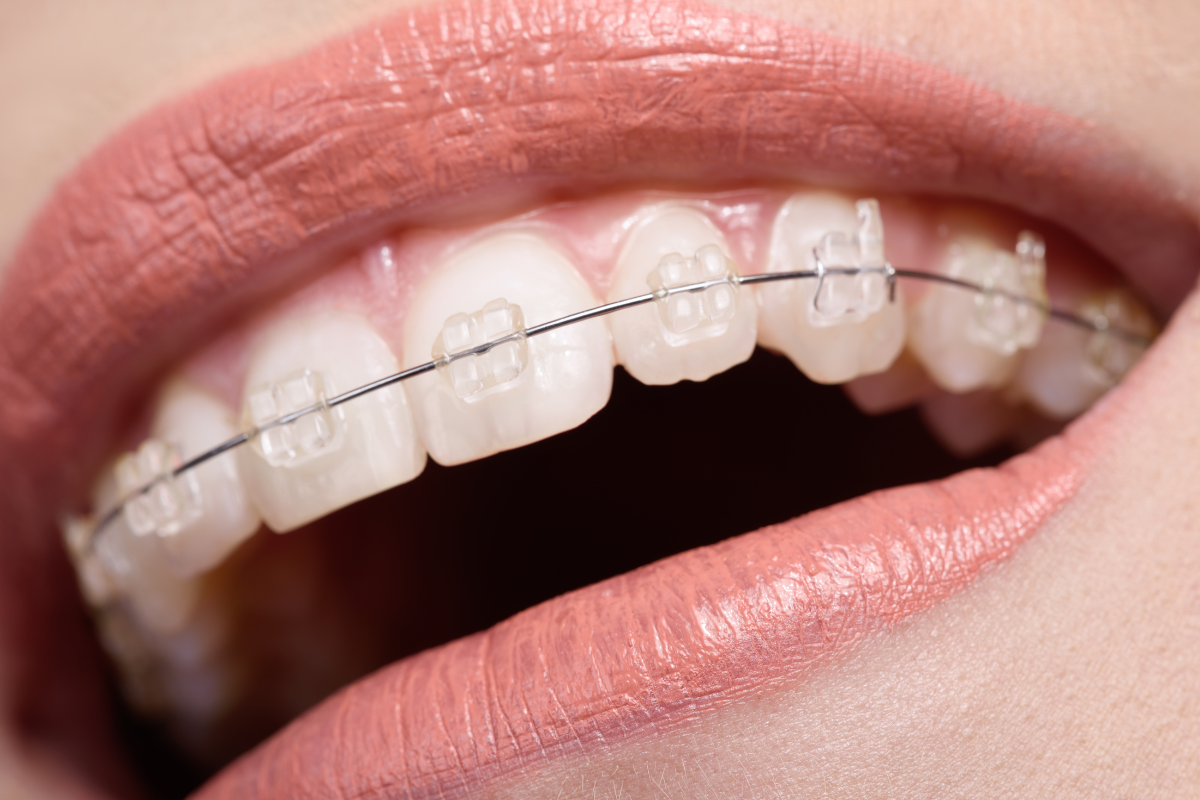
Teenagers may benefit from traditional braces, clear braces, or other orthodontic options depending on their needs. Treatment can address concerns such as crowding, spacing, and bite irregularities.
Adult Treatment
Adults have several treatment options available today, including more discreet solutions such as clear aligners. The right choice depends on the complexity of the case and the patient’s goals.
Your provider will explain the available options and help you understand the expected benefits, responsibilities, and timeline before treatment begins.
Step 3: Begin Your Treatment
Once you and your provider have decided on a treatment approach, active treatment can begin.
Depending on your plan, this may involve braces, clear aligners, or another orthodontic appliance. The appliance is carefully fitted or placed according to your treatment plan.
Your orthodontic team will provide instructions on how to care for your teeth and appliance. You may also receive guidance about foods to avoid, cleaning techniques, and what to expect during the first few days.
It is normal for some patients to experience temporary soreness or pressure when treatment begins. This usually improves as the mouth adjusts.
Step 4: Attend Regular Follow-Up Visits
Orthodontic treatment requires ongoing monitoring. Regular appointments allow your provider to evaluate tooth movement and make necessary adjustments.
During follow-up visits, your orthodontic team may:
- Monitor your progress
- Adjust braces or other appliances.
- Check how your teeth and bite are responding.
- Address any concerns or discomfort.
- Provide updated care instructions.
- Make sure treatment remains on track.
Keeping these appointments is an important part of achieving the desired result. If you have questions or notice something unusual between visits, contact your orthodontic team rather than waiting until your next appointment.
Step 5: Complete Active Treatment
Eventually, your teeth will reach their planned positions and active treatment will come to an end. However, finishing braces or another orthodontic appliance does not mean your smile no longer needs care.
Your provider will evaluate your results and explain the next stage of treatment.
This is an exciting milestone, but maintaining the results is just as important as achieving them.
Step 6: Protect Your New Smile With Retainers
Teeth naturally have a tendency to shift over time. Retainers help maintain the position achieved during active treatment.
Your orthodontic provider will explain when and how often you should wear your retainer. You will also receive instructions for cleaning and storing it properly.
Following your retention plan can help protect your investment and maintain your new smile for years to come.
How Long Does Treatment Take?
Every patient’s treatment timeline is different. The length of treatment depends on factors such as the type and severity of the alignment problem, the patient’s age, tooth movement required, chosen treatment method, and how consistently treatment instructions are followed.
Some patients may complete treatment relatively quickly, while others with more complex concerns may require additional time.
During your consultation, your provider can give you a more personalized estimate based on your individual orthodontic needs.
Why Personalized Care Matters
There is no single treatment plan that works for every patient. Children are still developing, teenagers may have different orthodontic needs than adults, and each patient’s teeth and bite are unique.
A personalized approach allows your orthodontic team to consider these differences when planning treatment.
At Silicon Valley Pediatric Dentistry & Orthodontics, the goal is to make the treatment process understandable and manageable from the first evaluation through long-term retention. Patients can receive guidance at each stage and learn how to care for their teeth throughout treatment.
What Can You Do to Keep Treatment on Track?
Your orthodontic team handles the clinical side of treatment, but your daily habits also play an important role.
To support your progress:
- Follow your provider’s instructions carefully.
- Keep your scheduled appointments.
- Brush and floss consistently.
- Clean removable appliances as instructed.
- Follow dietary recommendations when wearing braces.
- Wear aligners or retainers for the recommended amount of time.
- Contact your provider if an appliance breaks or becomes uncomfortable.
Small habits can make a meaningful difference in keeping treatment progressing as planned.
Frequently Asked Questions
- At what age should a child have an orthodontic evaluation?
The appropriate timing depends on the child’s dental development and individual needs. An early evaluation can help identify potential alignment or jaw-development concerns and determine whether monitoring or treatment is appropriate.
- How long does orthodontic treatment usually take?
Treatment length varies from patient to patient. The complexity of the alignment problem, treatment method, age, and compliance with instructions can all affect the timeline. Your provider can give you a more specific estimate after an evaluation.
- Are braces painful?
Braces generally do not cause significant pain, although some temporary soreness or pressure can occur after placement or adjustments. Your orthodontic team can provide guidance for managing normal discomfort.
- Can adults receive orthodontic treatment?
Yes. Adults can receive orthodontic treatment to address crowding, spacing, bite problems, and other alignment concerns. Depending on the case, options may include traditional braces or more discreet alternatives.
- Why are retainers necessary after treatment?
Teeth can gradually shift after active treatment. Retainers help maintain their new positions and are an important part of long-term orthodontic care. Your provider will recommend a retention schedule based on your individual needs.
Start Your Smile Journey
A straighter, healthier-looking smile begins with understanding your options and receiving a treatment plan designed around your needs. From the first consultation and personalized planning to regular progress checks and long-term retention, every stage plays an important role in achieving lasting results. Call Silicon Valley Pediatric Dentistry & Orthodontics today or schedule an appointment to learn more about your treatment options and take the first step toward a confident sm