Santa Clara: 408-249-5121
When Should You Consider Sedation Dentistry For Your Child?

When Should You Consider Sedation Dentistry For Your Child?
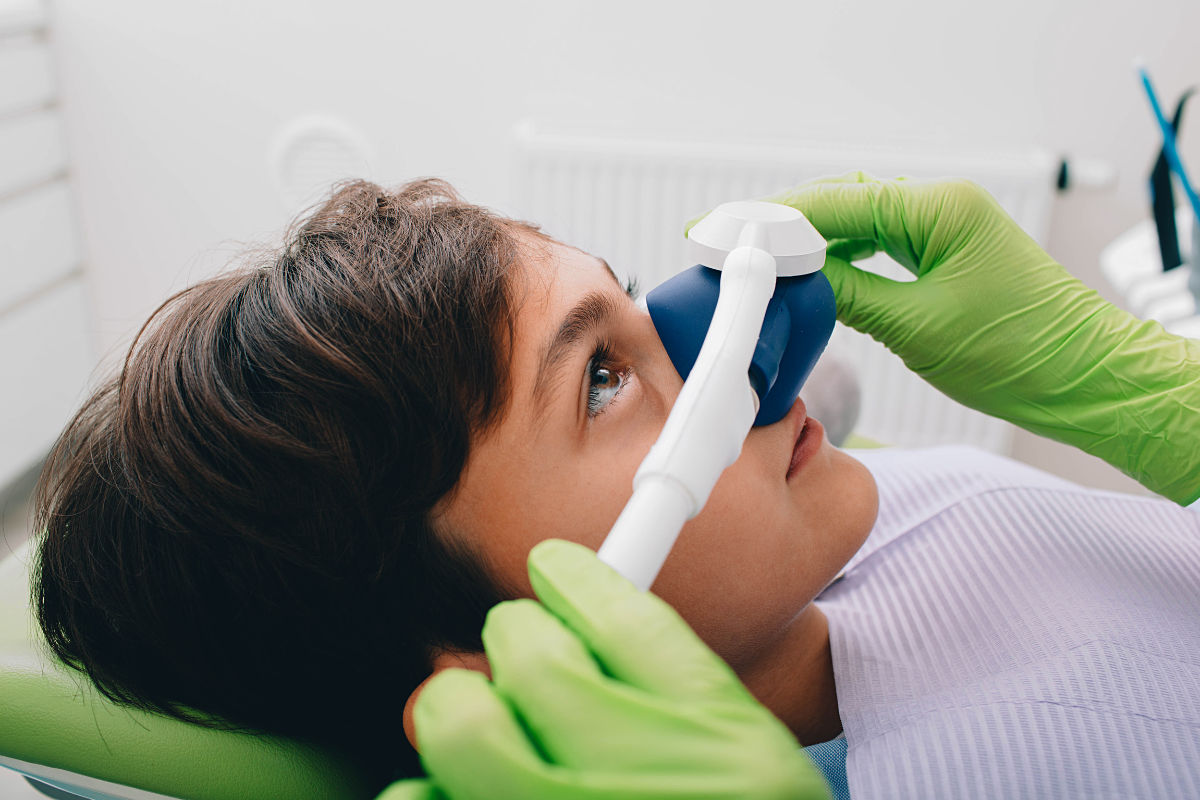
If your child screams or cries during care, they have dentophobia. Many kids in the United States feel overwhelmed the moment they sit in a chair in a dental clinic. Their fears can grow stronger after just one rough visit. When your child refuses treatment or avoids it, it causes stress not only for them but for you, too. Some parents delay appointments, hoping the fear will fade. But often, it gets worse. Untreated problems can turn into something serious quicker, even before you notice. That is where sedation comes in as an option. It does not knock them out but puts them into a calmer state to receive the required treatment.
Understanding Why Children Resist
Before asking the dentist for sedation, try to understand what makes your kid anxious.
- Fear of pain is the biggest reason, even if nothing hurts.
- Strange tools and loud noises create a lot of Anxiety.
- Some kids have sensory issues that make touch or sound hard to manage.
- Past trauma or bad memories can trigger new fears.
Sometimes, no amount of comfort helps. They freeze, scream, or shut down. In those moments, dental sedation helps improve treatment outcomes by controlling anxiety and fear.
When To Consider Sedation For Your Child?
There are certain circumstances under which calming dental techniques become beneficial.
Severe Anxiety
If the child has excessive fear before or during treatments, sedation therapy can be helpful. When the child resists care, this can cause complications in the procedure, necessitating calming techniques.
Lengthy Or Complex Procedures
Extractions or multiple fillings are lengthy procedures. If your child has trouble sitting still for a long time, pediatric dentists in Santa Clara can help make the process smoother by administering dental relaxation methods.
Special Needs
Kids with physical or developmental disabilities may have trouble cooperating during dental appointments. Stress-free dental care can help them receive the required therapies, encouraging them to visit again.
Past Traumatic Experiences
If your child has had a negative experience at the dentist in the past, sedation can help make future experiences more positive and less fearful.
Different Types Of Sedation For Children
There are safe methods used depending on your child’s needs. Consulting a childrens dentist santa clara can help you make an informed decision. They will explain everything in detail to provide you with peace of mind that your little ones are in safe hands.
Common Types Of Sedation Dentistry
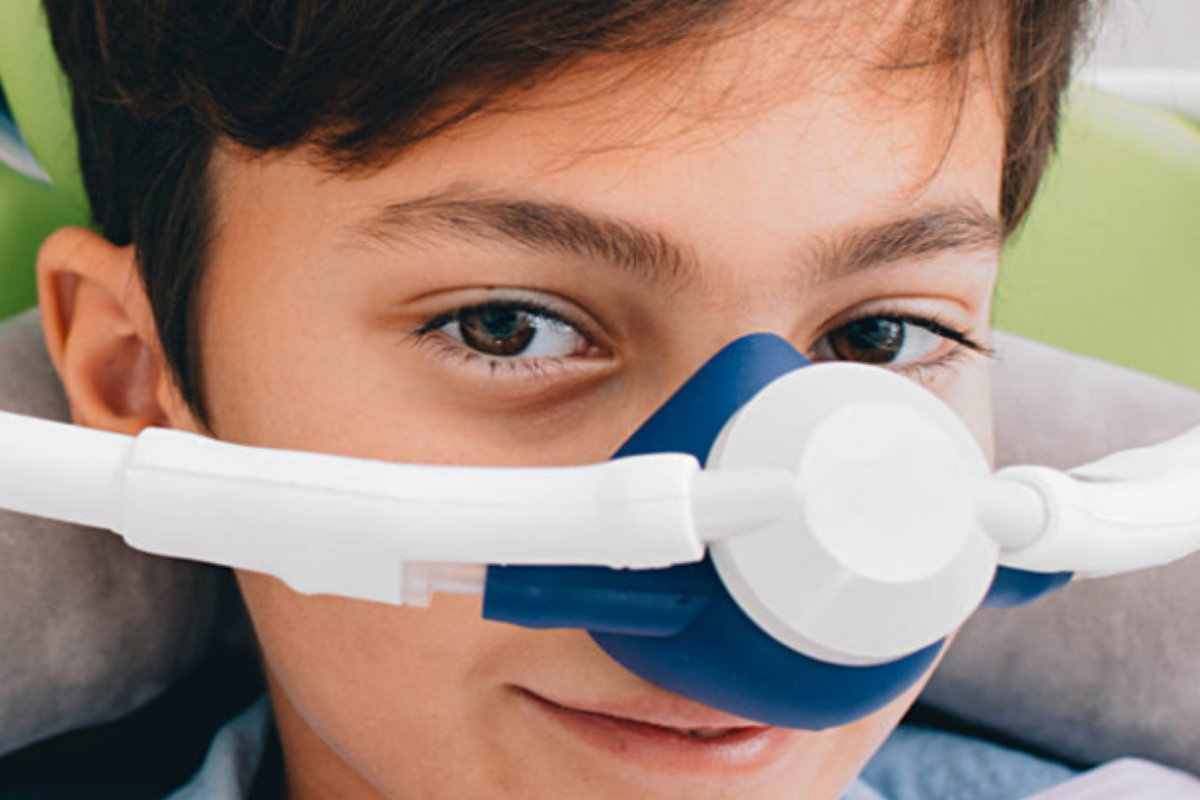
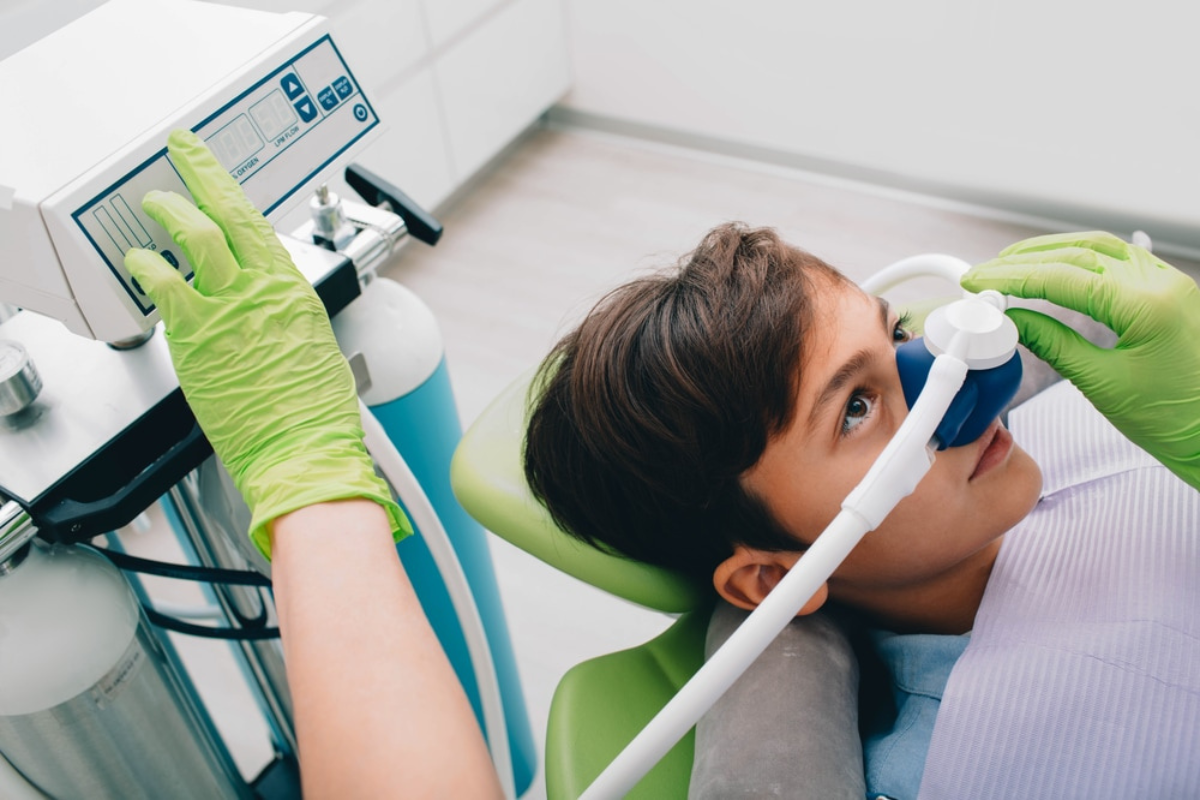
- Mild Sedation: It helps relax but keeps your child awake. These are best for shorter dental visits.
- Moderate Sedation: This approach can make your child drowsy but still responsive.
- Deep Sedation: For severe conditions, deep sedatives are introduced that put a patient to sleep but are monitored with care.
Is Sedation Safe For Children?
Yes, sedation is usually safe when done by experienced professionals. Pediatric dentists santa clara know how to utilize these methods safely. Before deciding to use this, the dental practitioner will review your child’s medical history, allergies, and other considerations to ensure it is the best option.
When Do You Not Need Sedation?
Not all children require calming dental techniques. If your child is relatively calm and can cooperate, the standard treatment method can be followed effectively. Less intrusive methods, such as behavior management strategies or soothing distractions, are always best. When Anxiety takes over your child’s mind, sedatives act as a backup.
Sometimes, no matter how much you try, your child still panics during routine visits. That stress wears on you, too. When they are in pain but too anxious for care, it can leave you feeling helpless. Along with “making things easier” for parents, it also helps children feel safe to receive the help they need. That peace of mind for them and you is what truly matters. Schedule an appointment today to discuss options and ensure your child gets the care they deserve.