Santa Clara: 408-249-5121
Sedation Dentistry: The Game-Changer for Pediatric Dental Anxiety

Sedation Dentistry: The Game-Changer for Pediatric Dental Anxiety
For many people, dental visits can be a source of anxiety, particularly for children. The thought of sitting in a dentist’s chair, hearing the sound of instruments, or feeling discomfort can be overwhelming. However, sedation dentistry is a game-changer for those who experience fear or anxiety about oral procedures. It allows patients to undergo treatments in a relaxed state, making their visit comfortable and less stressful. For parents looking for ways to ease their child’s anxiety during dental visits, pediatric sedation dentistry can offer a significant solution.
How Sedation Dentistry Helps Reduce Dental Anxiety in Toddlers
Sedation dentistry involves the use of medication to help patients feel relaxed, calm, and less aware of the procedure. Whether it’s a simple cleaning or a complex treatment, the technique makes the process manageable. For toddlers, a pediatric dentist in San Jose may recommend sedatives for procedures such as fillings, cleanings, and extractions. This will help them remain calm and comfortable throughout the visit.
Types Of Dental Sedation Used In Pediatric Dentistry
There are different levels of sedatives used for various situations, which include:
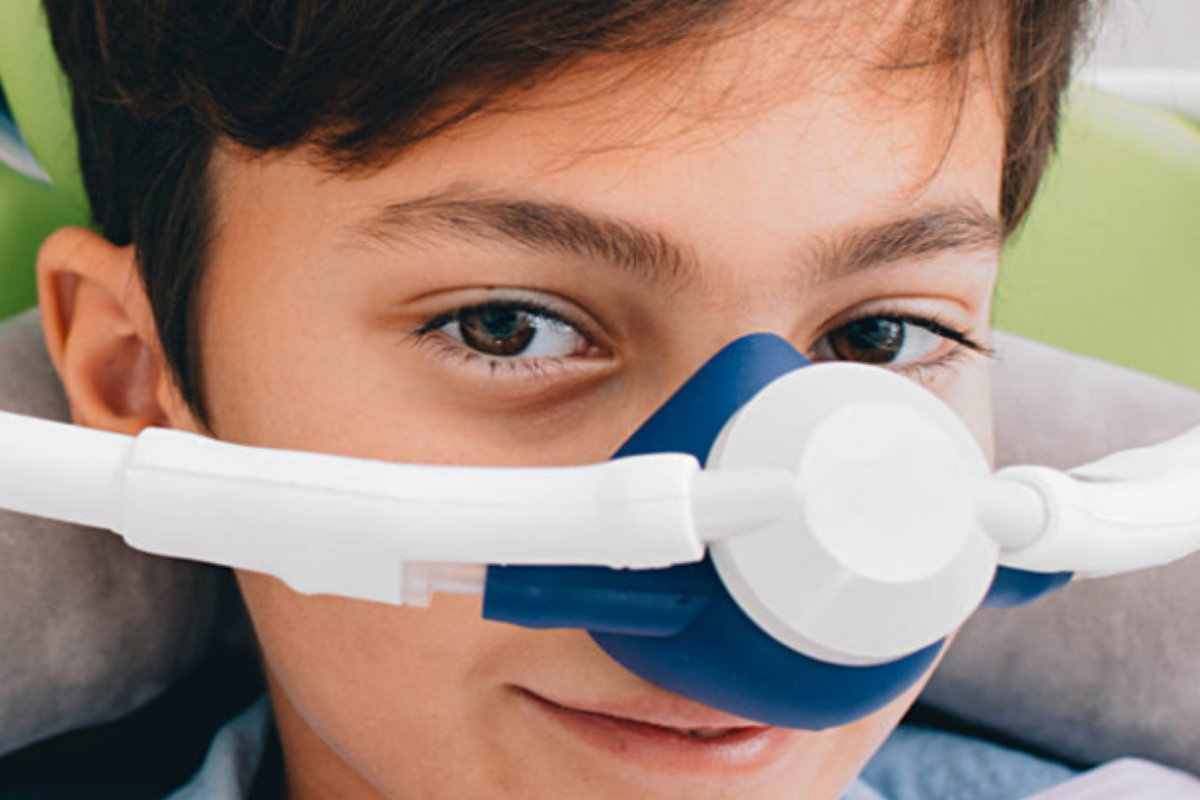
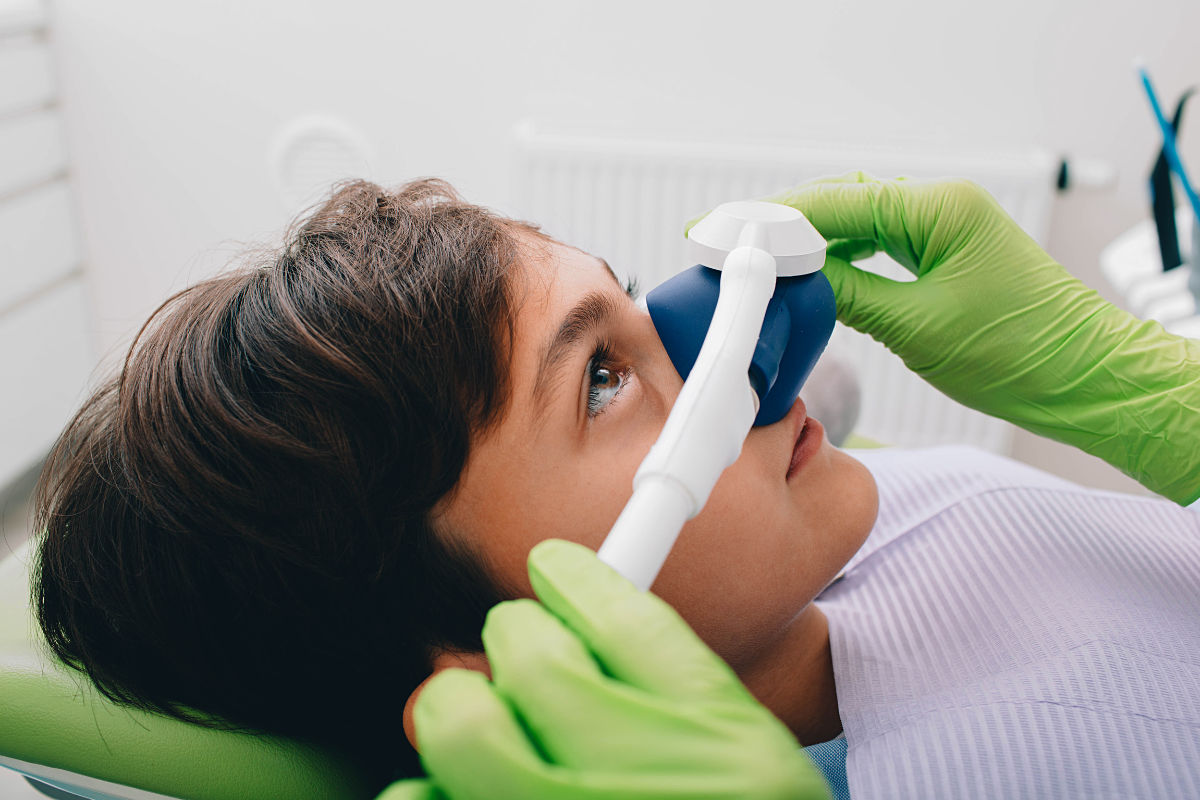
- Nitrous Oxide (Laughing Gas) – This is the most commonly used form of sedative for children. It’s inhaled through a mask and helps the child relax. The effects wear off quickly, allowing the child to resume normal activities right after the procedure.
- IV Sedation – For more invasive procedures, IV sedation is used. This deeper level of sedation puts the child in a relaxed, almost asleep state, ensuring they are unaware of the treatment. In San Jose pediatric dentistry, the patient is closely monitored by the professional throughout the procedure until they return to a normal state.
These options allow youngsters to have a positive experience at the clinic. This ensures they don’t develop a lifelong fear of dentists.
How Does It Work?
The process uses specific medications that alter the patient’s awareness and physical responses. For lighter procedures, nitrous oxide, commonly known as laughing gas, is often used. It provides a calming effect and is reversible within minutes after the procedure. For extensive treatments, IV sedation (or general anesthesia) may be employed. These methods help young patients remain calm and relaxed, with careful monitoring to prevent complications.
What makes sedation methods effective is how the drugs interact with the body’s nervous system. They are administered to dull the senses, preventing feelings of fear, pain, or discomfort. Even though it induces a sense of relaxation or sleepiness, patients can still respond to the dentist’s commands, ensuring a safe, controlled process. This personalized approach is key for those with dentophobia who need a gentle way to manage their appointments.
Benefits Of Sedation Dentistry For Young Patients
There are several key benefits of using sedation dentistry for children’s oral care:
- Reduces Anxiety: It can eliminate fear and anxiety, ensuring a calm and stress-free visit.
- More Efficient Procedures: Children who are relaxed are less likely to move during the procedure, allowing the specialist to complete treatments more quickly.
- Pain Management: Sedation also helps manage pain during treatments, keeping youngsters comfortable throughout the process.
- Improved Oral Health: With sedatives, little ones are more likely to receive the care they need without the hindrance of anxiety, ensuring better long-term oral health.
Is Sedation Dentistry Safe For Kids?
A common concern parents have about dental anesthesia is whether it’s safe for their children. The answer is yes! The technique is a very safe practice when performed by an experienced dental professional. Specialists thoroughly assess each patient’s health history before recommending sedatives, ensuring there are no contraindications.
For children, the dosage is carefully calibrated based on weight and health status. Pediatric dentists in San Jose are trained to administer these in a way that minimizes risk. They will also monitor vital signs throughout the procedure, ensuring that everything stays within a safe range.
We’re Here To Make Your Child’s Dental Visit Stress-Free
If your child experiences anxiety about visiting the dentist, sedation dentistry offers a solution that can make dental visits comfortable and stress-free. Whether you’re seeking how sedation can help your child or need guidance on what type is best, working with our experienced pedodontists ensures your child’s care is handled with expertise and compassion. From simple check-ups to involved procedures, it can transform a fearful dental visit into a calm, positive experience.
Visit our dental office at Silicon Valley Pediatric Dentistry & Orthodontics today to learn more about how sedation can help your toddler feel comfortable during their dental appointments. Book an appointment to learn how we can make dental visits enjoyable for your little one.
How does sedation help children during dental procedures?
Stress-free dental care helps kids relax and stay calm during treatments, reducing their fear and anxiety. It ensures the procedure is completed without the tot feeling discomfort, making it easier for both patient and dentist.
Is sedation dentistry safe for children?
Yes, dental relaxation methods are very safe when administered by a trained professional. A pedodontist will carefully assess your youngster’s health before recommending stress-free dental care and monitor them throughout the procedure.
What types of sedation are used for children in dentistry?
Common types of soothing medication include nitrous oxide and IV sedation. The dentist will determine the best option based on your junior’s age, health, and the complexity of the procedure.
How long does the effect of sedation last?
The effects of sedatives vary depending on the method used. Nitrous oxide wears off quickly, while oral and IV sedatives may take longer to wear off, typically within an hour or so.
Will my child be awake during sedation?
With nitrous oxide and oral sedation, your child will remain awake but relaxed. For deeper procedures, such as IV sedation, your junior may be in a light sleep and unaware of the procedure.