Santa Clara: 408-249-5121
How Dental Sealants Protect Kids’ Teeth and Why They’re Worth It

How Dental Sealants Protect Kids’ Teeth and Why They’re Worth It
Parents often assume that if their child brushes twice a day and avoids too much candy, cavities should not be a concern. While those habits are important, they do not always protect the areas of the mouth that are hardest to clean. In fact, many childhood cavities develop in the chewing surfaces of back teeth, where toothbrush bristles struggle to reach.
Dental sealants were developed to solve that exact problem. By creating a protective barrier over vulnerable grooves in the teeth, sealants help stop food particles and cavity-causing bacteria from settling into places that are difficult to clean.
At Silicon Valley Pediatric Dentistry and Orthodontics – San Jose, our pediatric specialists regularly educate families about preventive treatments that can reduce a child’s risk of tooth decay before problems begin. Dr. Aaron Wong and our team believe prevention should be proactive, personalized, and based on each child’s unique oral health needs. If you want guidance for your child, visit our dental office to find out if sealants could help.
What Are Dental Sealants?
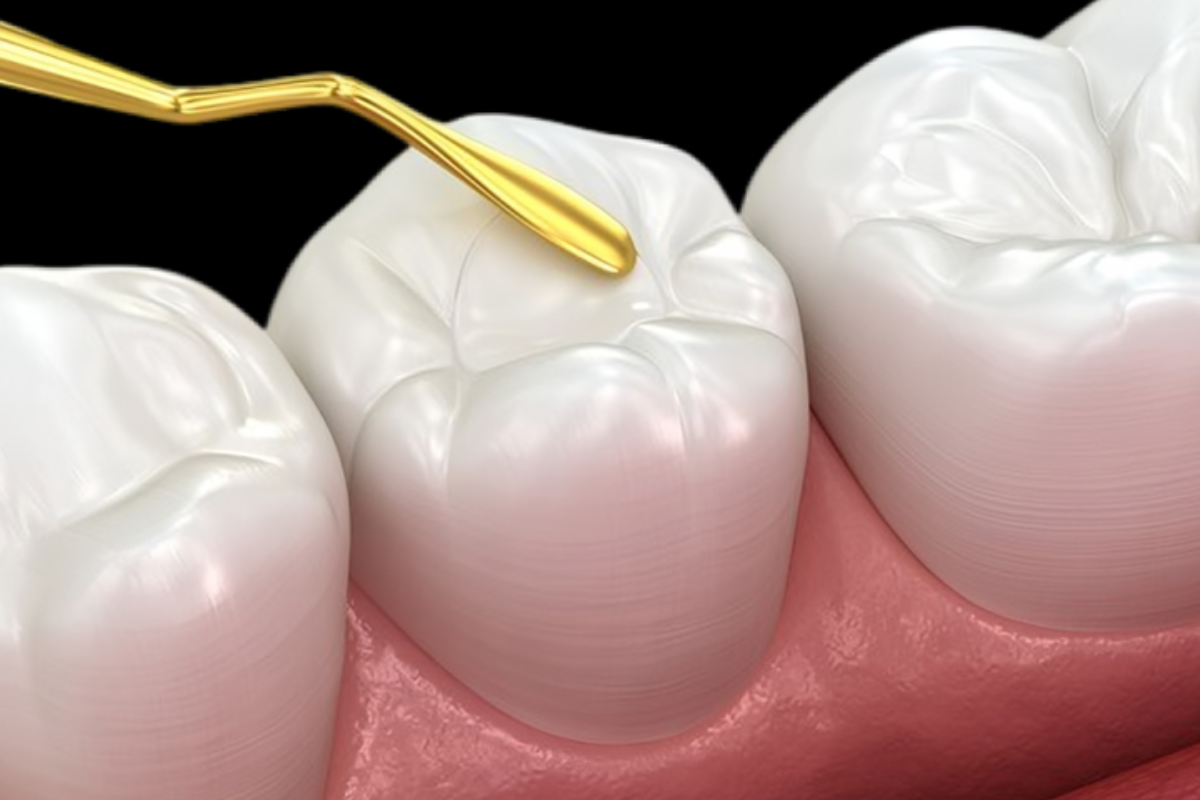
These thin protective coatings are applied to the chewing surfaces of molars and premolars to help prevent cavities. They work by sealing deep grooves where food particles and bacteria commonly accumulate.
Although tooth enamel is the hardest substance in the human body, it is not invincible. The natural anatomy of molars includes pits and fissures that can be difficult for children to clean thoroughly, even with regular brushing.
Once a sealant is applied, it creates a smooth protective surface that helps keep bacteria and food debris from becoming trapped in those vulnerable areas.
Why Are Back Teeth More Likely to Develop Cavities?
Molars are more susceptible to cavities because their deep grooves create hiding places for plaque, food particles, and bacteria. These areas are often too narrow for toothbrush bristles to clean effectively.
Think about the chewing surface of a permanent molar. Rather than being flat, it contains a network of tiny valleys and crevices. These grooves help break down food during chewing, but they also create ideal environments for bacterial growth.
Children are especially vulnerable because:
- Their brushing technique is still developing.
- Permanent molars erupt during cavity-prone years.
- Sticky snacks can remain trapped in grooves.
- Bacteria can multiply in areas that appear clean on the surface.
This is one reason preventive treatments are strongly emphasized in pediatric dentistry.
How Do Sealants Work?
This treatment physically blocks bacteria and food particles from entering deep grooves in the teeth. By creating a protective shield, they reduce the risk of cavity formation in vulnerable areas.
The process is straightforward and comfortable.
Step 1: Cleaning the Tooth
The tooth is completely cleaned to eliminate plaque and debris.
Step 2: Preparing the Surface
A special conditioning solution is applied briefly to help the sealant bond securely to the tooth.
Step 3: Applying the Sealant
The liquid sealant is applied to the chewing surface.
Step 4: Hardening the Sealant
A curing light hardens the material within seconds, creating a durable protective layer.
The procedure typically requires no drilling and no injections, making it one of the easiest preventive treatments available for children.
Who Is a Good Candidate for the Treatment?
Most children receive sealants shortly after their permanent molars come in. Early placement helps protect teeth before decay develops.
A child may be an excellent candidate if they:
- Recently developed permanent molars
- Have deep grooves in their teeth
- Have a history of cavities.
- Consume cavity-promoting foods frequently.
- Need additional protection despite good oral hygiene.
A trusted pediatric dentist in San Jose can evaluate your child’s cavity risk and determine the ideal timing for sealant placement.
Why Many Families Choose Sealants
Sealants provide long-term cavity protection, reduce the likelihood of future restorative treatment, and support healthier smiles during childhood.
Parents appreciate sealants because they offer benefits that extend beyond cavity prevention.
Advantages of Sealants
- Help prevent cavities in hard-to-clean areas.
- Support long-term oral health.
- Require a quick and comfortable procedure.
- Preserve healthy tooth structure.
- Reduce the need for future restorative treatment.
- Complement brushing and flossing routines.
For families juggling school schedules, youth sports, music lessons, and weekend outings to places like the Children’s Discovery Museum or Happy Hollow Park & Zoo, preventive dental care helps minimize unexpected dental issues.
How Long Do Sealants Last?
This procedure can remain effective for several years when properly maintained and regularly monitored during dental checkups.
Children naturally place significant chewing forces on their molars. Over time, sealants may wear, chip, or thin.
Routine dental visits allow for checking for:
- Wear
- Small fractures
- Areas requiring touch-ups
- Loss of sealant material
Fortunately, repairing a sealant is typically quick and straightforward.
Is This Procedure Safe?
Yes. Sealants have been used safely for decades and are recommended by major dental and public health organizations.
Extensive research supports their effectiveness and safety for children. Pediatric dentistry specialists across the country routinely recommend sealants because they significantly reduce cavity risk while preserving healthy tooth structure.
This preventive approach aligns with the philosophy followed by many providers within the San Jose Pediatric Dental community, where protecting natural teeth early remains a primary goal.
Do Children Still Need Fluoride and Good Oral Hygiene?
Absolutely. Sealants are an additional layer of protection, not a replacement for brushing, flossing, and routine dental care.
The most effective cavity-prevention strategy combines:
- Twice-daily brushing with fluoride toothpaste.
- Daily flossing
- Healthy dietary habits
- Routine dental examinations
- Professional preventive treatments when appropriate
Together, these habits create a stronger defense against tooth decay.
Frequently Asked Questions
Can dental sealants fall off?
Yes, sealants can wear down or loosen over time. Regular dental visits allow your dentist to identify and repair any areas that need attention.
Are sealants recommended for teenagers?
Yes. Teens with cavity-prone molars may still benefit from sealants. A dental evaluation can determine whether protection is appropriate.
Can sealants be placed over early cavities?
In some situations, dentists may recommend sealants for very early non-cavitated areas. The decision depends on the extent and location of the affected enamel.
How often should dental sealants be checked?
Sealants should be evaluated during routine dental examinations. Regular monitoring helps ensure they continue providing effective protection.
Do sealants change how teeth feel?
Most children do not notice them after placement. The sealant quickly becomes part of the tooth’s chewing surface.
Are sealants only for children with cavities?
No. Sealants are designed primarily as a preventive treatment. They are often most effective when applied before cavities develop.
Can my child still get cavities with sealants?
Sealants significantly reduce cavity risk but do not eliminate it completely. Good oral hygiene and regular dental care remain essential.
Protect Growing Smiles With Preventive Care
Every child has a unique cavity risk profile. Some children naturally have deeper grooves in their molars, making them ideal candidates for sealants, while others may benefit from a broader preventive strategy based on their oral health history.
If you are looking for guidance from a trusted pediatric dentist in San Jose, the team at Silicon Valley Pediatric Dentistry and Orthodontics – San Jose can help evaluate your child’s needs and recommend the most appropriate preventive care options. Visit our dental office to learn more about sealants and other preventive services designed to keep young smiles healthy.
Book an appointment today to schedule a personalized evaluation and receive recommendations personalized to your child’s oral health.