Santa Clara: 408-249-5121
Sealants Or Fillings- Which is the Right Option for your Child


Sealants Or Fillings- Which is the Right Option for your Child
Children growing up in San Jose often enjoy active routines filled with school, sports, and outdoor play. From afternoon soccer games at local community parks to weekend family outings, kids stay busy, and their eating habits often include snacks between activities. Frequent snacking, sugary drinks, and inconsistent brushing can gradually increase the risk of cavities in developing teeth.
Many parents first hear about dental concerns when a routine checkup reveals early signs of decay or areas that could become cavities. At that point, pediatric dentists often discuss two common treatment options: sealants and fillings.
Understanding how these treatments differ helps parents decide how to best protect their child’s teeth before small concerns become larger dental issues.
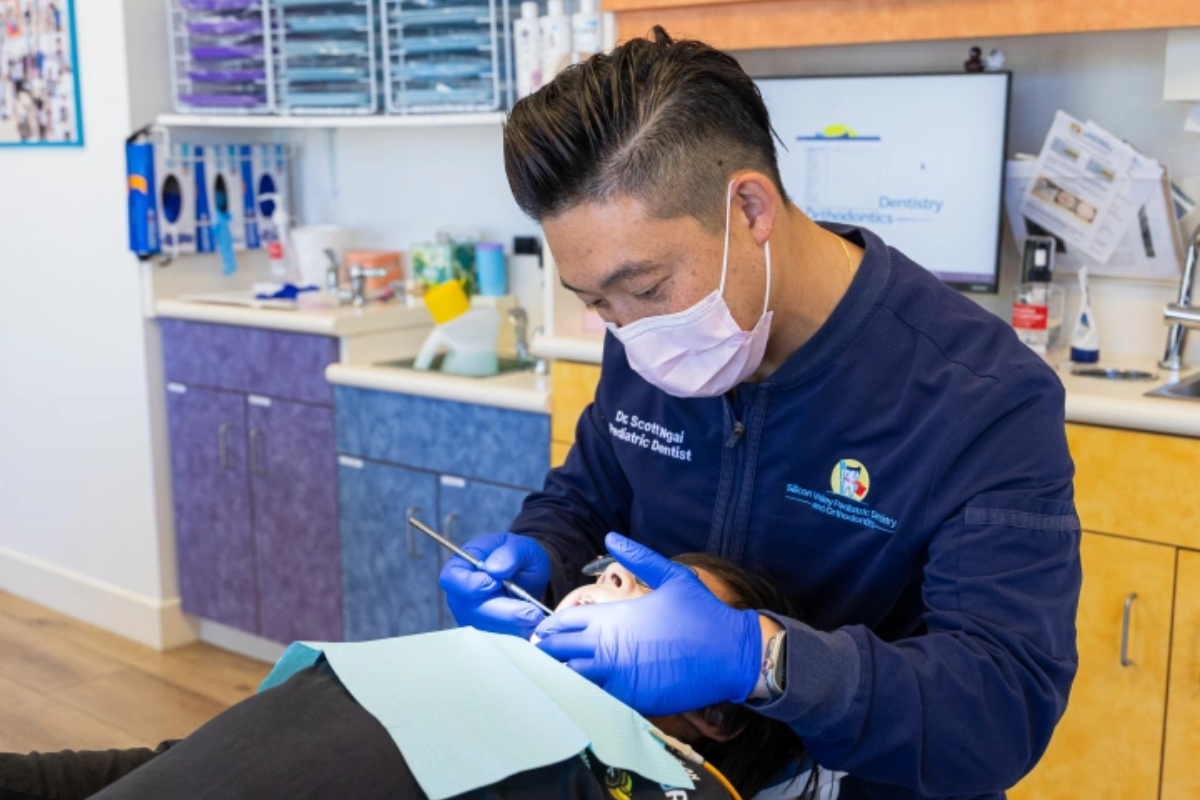
At Silicon Valley Pediatric Dentistry & Orthodontics, families receive guidance on preventive and restorative dental treatments designed specifically for growing smiles.
With the support of Dr. James Ikehara, Dr. Jennifer Xu, Dr. Nancy Li, and Dr. Scott Ngai, parents can better understand when prevention works and when restorative care becomes necessary.
Why Cavities Develop in Children’s Teeth
Children’s teeth contain natural grooves and pits, especially on back molars. These narrow spaces easily trap food particles and bacteria, making them harder to clean thoroughly with brushing alone.
Several factors commonly increase cavity risk in children:
- Frequent snacking throughout the day
- Sugary drinks or processed foods
- Inconsistent brushing habits
- Deep grooves in molars
- Developing enamel that is more vulnerable to acid attacks
When bacteria break down sugars in the mouth, they produce acids that slowly weaken tooth enamel. If parents catch these early stages, preventive care can help protect the tooth before decay spreads.
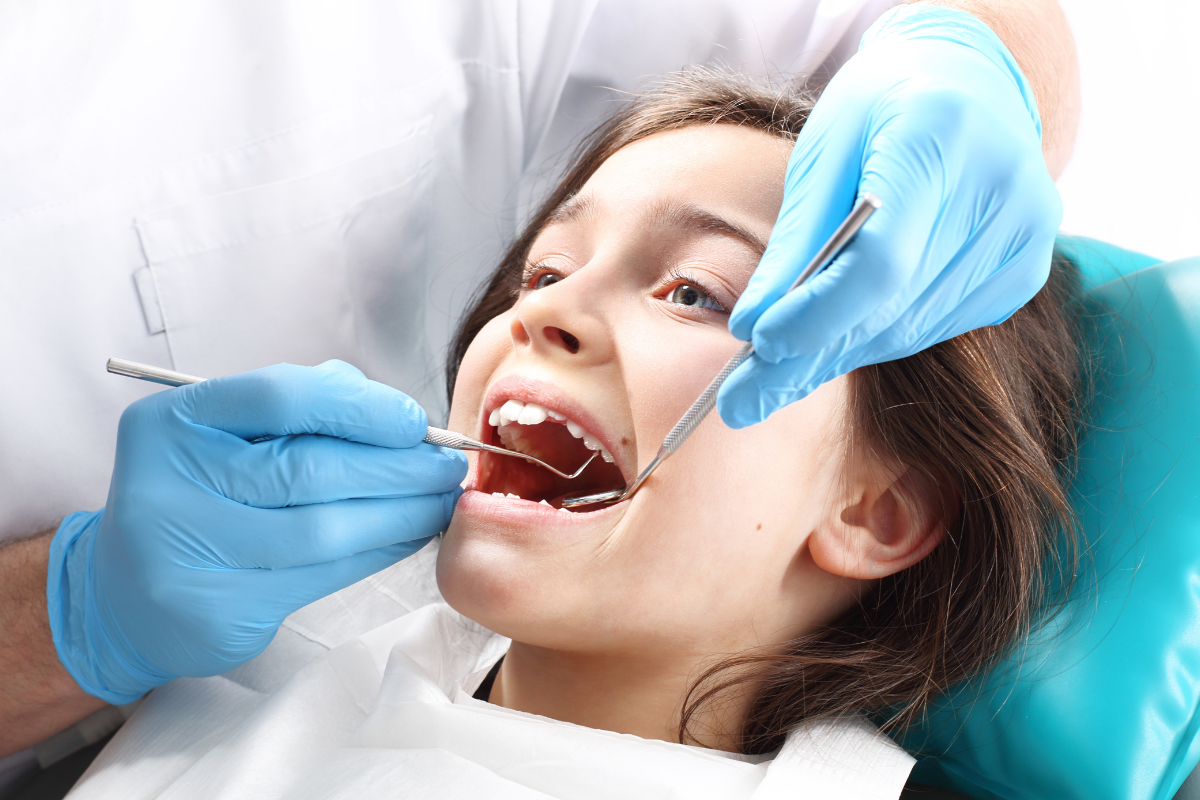
During routine checkups, many families in CA and from nearby areas hear recommendations from a pediatric dentist in San Jose about preventive treatments to protect cavity-prone areas.
Dental Sealants and Their Role in Preventive Care
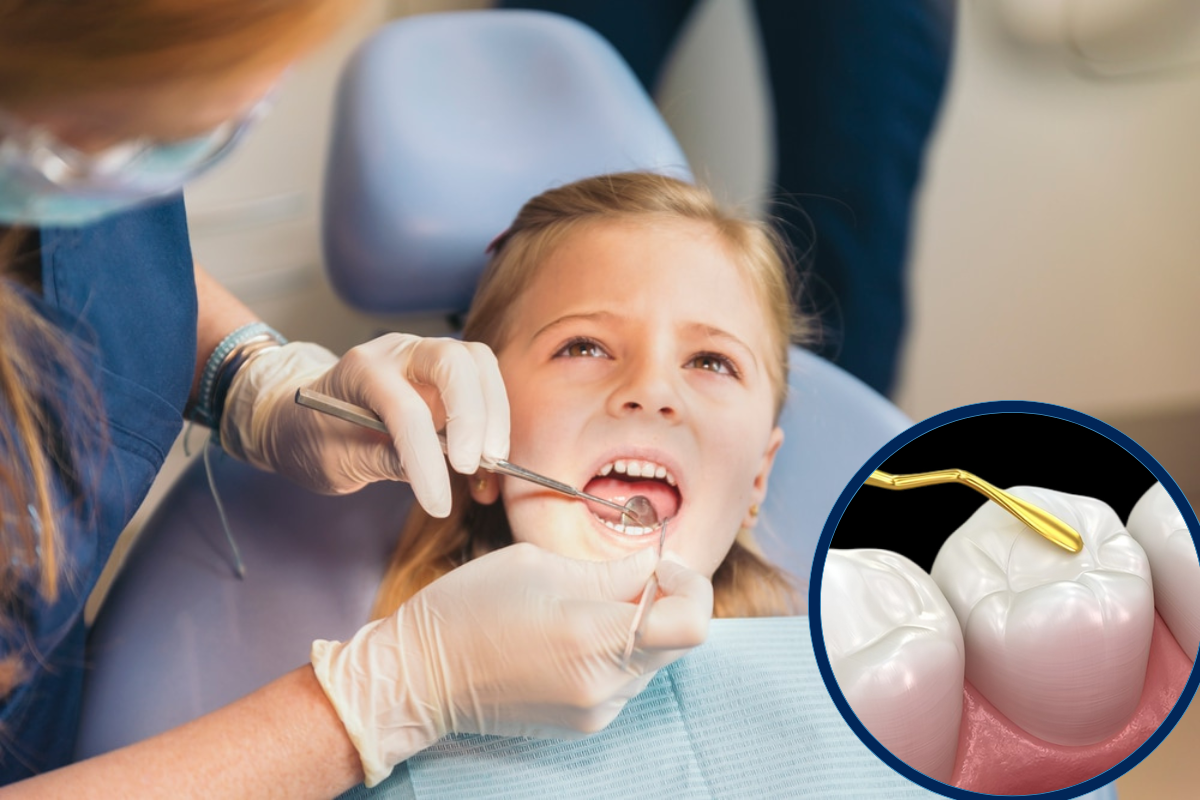
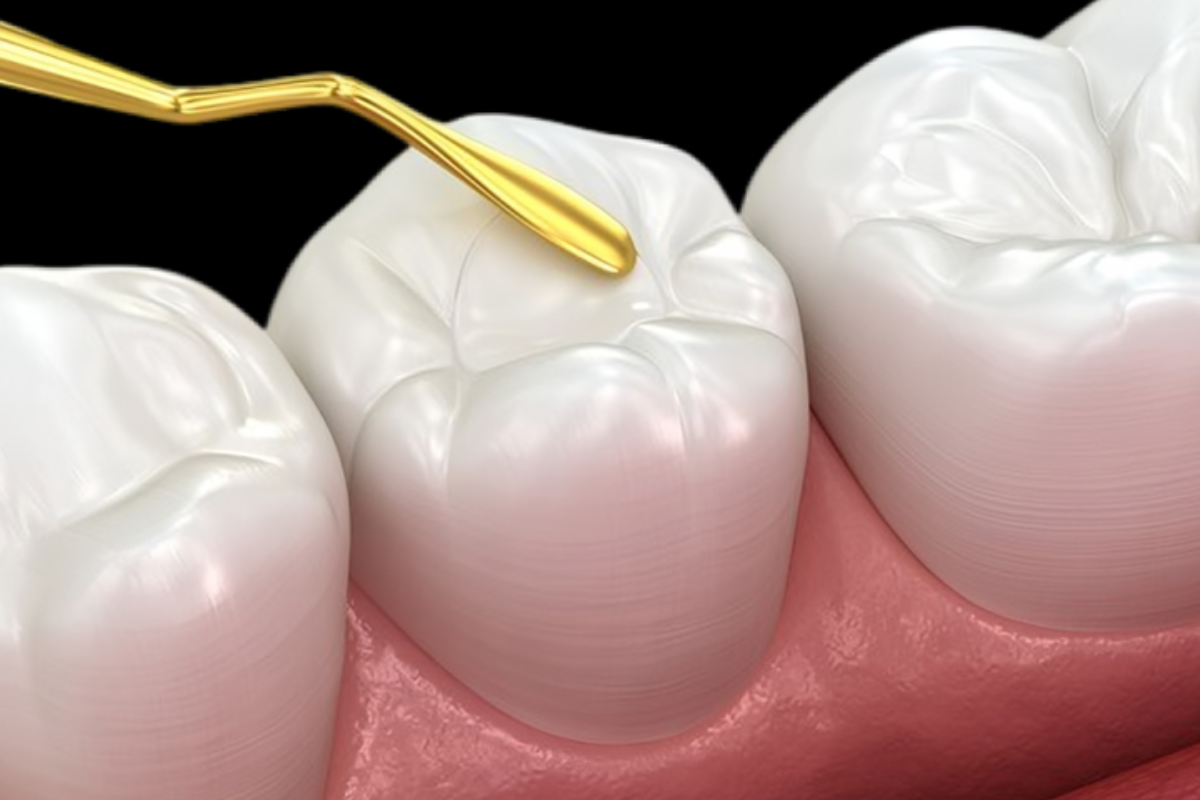
They are preventive treatment options designed to protect teeth before cavities form. Pediatric dental professionals apply a thin protective coating to the chewing surfaces of molars, where food and bacteria most often accumulate.
Back molars perform most of the chewing during meals, and their deep grooves create an environment where bacteria can easily hide.
The procedure typically includes:
- Cleaning the tooth thoroughly
- Preparing the surface to allow bonding
- Applying the protective coating
- Hardening the material with a special curing light
Once the coating sets, it creates a barrier that prevents bacteria and food particles from settling into the grooves.
Benefits of This Preventive Protection for Young Teeth
Parents often appreciate this preventive approach because it focuses on stopping decay before it starts.
Key advantages include:
- Protection for cavity-prone molars
- Quick and comfortable application
- No drilling required
- Preservation of natural tooth structure
- Long-lasting cavity prevention
Because this treatment focuses on prevention, many families include it as part of routine San Jose pediatric dentistry visits when permanent molars appear.
Understanding Dental Fillings as a Restorative Treatment
Dental fillings repair teeth that already show signs of decay or structural damage. When bacteria break through the enamel and create a cavity, dentists remove the decayed portion and rebuild the tooth using restorative material.
The process generally involves:
- Removing the damaged part of the tooth
- Cleaning the affected area
- Placing restorative material to rebuild the surface
- Shaping and polishing the tooth for comfort
This treatment stops the spread of decay and restores the tooth’s function.
Situations Where Children May Need a Filling
Children may require restorative treatment if they experience:
- Visible cavities
- Tooth sensitivity when eating sweets or cold foods
- Dark spots or holes in teeth
- Structural damage caused by untreated decay
While fillings effectively restore the tooth, they address damage that has already occurred rather than prevent cavities from forming.
Comparing Sealants and Fillings: What Parents Should Know
Parents often wonder which option makes more sense for their child. The key difference lies in whether the tooth already has decay.
Here is a simple comparison.
| Sealants | Dental Filling |
| Protects healthy teeth | Repairs existing decay |
| Prevents cavities | Treats cavities |
| Requires no drilling | Requires removal of decay |
| Applied to molars before damage | Used when damage already exists |
Because of this distinction, preventive treatment often becomes the first step in protecting children’s teeth.
Families who visit a pediatric dentist in San Jose regularly often learn about preventive treatment options before cavities develop.
Which Children Benefit Most from Sealants?
Many children benefit from preventive protection shortly after their permanent molars erupt, usually around ages 6 and 12.
A child may benefit if they:
- Have deep grooves in molars
- Show early signs of enamel wear.
- Have a history of cavities.
- Struggle to clean back teeth thoroughly.
- Snack frequently between school and activities
Children who participate in sports, extracurricular programs, or busy school schedules often consume snacks throughout the day. These habits increase the risk of cavities, making preventive protection particularly helpful during these years.
Parents exploring pediatric dental care options often learn that preventive care reduces the likelihood of more extensive treatment later.
A Simple Step Toward Preventing Future Dental Problems
Protecting a child’s teeth early can make a significant difference in long-term oral health. Preventive dental visits allow families to identify cavity-prone areas before they develop into larger concerns.
If your child recently developed permanent molars or your dentist mentioned early cavity risk, scheduling a preventive oral evaluation may help determine the next step.
Many parents find reassurance in addressing potential issues early rather than waiting for decay to develop.
Helping Your Child Maintain a Healthy Smile for Years to Come
Choosing the right treatment for your child’s teeth begins with understanding the difference between prevention and restoration. Sealants provide a protective barrier that helps stop cavities before they form, while fillings repair teeth after decay occurs.
For many children, early protection can reduce the need for future restorative procedures and support long-term oral health.
Families seeking guidance on cavity prevention can visit Silicon Valley Pediatric Dentistry & Orthodontics in San Jose to learn whether sealant treatment may benefit their child. The dental team focuses on preventive care to help young patients maintain strong, healthy smiles as they grow. Schedule your child’s visit today and take the first step toward protecting their smile with preventive pediatric dental care.
Frequently Asked Questions
Are dental sealants safe for children?
Yes. Sealants are commonly used in pediatric dentistry to protect molars from decay. The protective layer prevents bacteria and food particles from settling in the grooves of the back teeth.
At what age should children get sealants?
Most children benefit when their first permanent molars appear around age six. A second set usually erupts around age twelve, and pediatric dentists may recommend protection at that time.
Do sealants replace brushing and flossing?
No. Sealants provide extra protection but cannot replace daily brushing and flossing. Children should continue practicing good oral hygiene habits.
How long do sealants last?
Sealants often remain effective for several years. Dentists check them during regular visits and can reapply them if necessary.
Are fillings uncomfortable for children?
Pediatric dentists numb the area before the procedure to keep children comfortable. Modern techniques keep the restoration process smooth and manageable.
Can sealants completely prevent cavities?
Sealants protect the chewing surfaces of molars but do not cover the entire tooth. Good oral hygiene and regular checkups remain important.
How can parents recognize early signs of cavities?
Parents may notice sensitivity to sweets, visible spots on teeth, or complaints of tooth discomfort. A dental visit helps confirm whether decay has started.