Santa Clara: 408-249-5121
How Daily Habits Can Affect Your Orthodontic Treatment

How Daily Habits Can Affect Your Orthodontic Treatment
Starting orthodontic treatment is an important step toward improving tooth alignment, bite function, and long-term oral health. However, what happens between orthodontic appointments can have a significant impact on how smoothly treatment progresses. Braces and clear aligners do the mechanical work of moving teeth, but everyday habits help create the conditions for successful treatment.
Food choices, oral hygiene, appliance care, appointment attendance, and even certain recreational habits can affect treatment. Patients who consistently follow their orthodontic instructions may be less likely to experience preventable interruptions such as broken brackets, cavities, gum inflammation, or lost aligners.
At Silicon Valley Pediatric Dentistry and Orthodontics – San Jose, our orthodontic team includes Dr. Duy Bui, Dr. Jennifer Xu, Dr. Erinn Chang, and Dr. Arden Hu. We help children, teens, and adults understand not only how their orthodontic appliances work but also what they can do each day to protect their progress. If you are considering orthodontic treatment or need guidance during your current treatment, visit our San Jose dental office for an orthodontic consultation.
Why Do Daily Habits Matter During Orthodontic Treatment?
Orthodontic treatment works by applying carefully controlled forces that gradually guide teeth into planned positions. Depending on the patient’s condition and treatment method, the process can take several months or longer.
Treatment does not happen only during appointments. Teeth continue responding to orthodontic forces every day. That makes patient cooperation an important part of the process.
For example, repeatedly breaking brackets may require repairs. Not wearing clear aligners as directed may prevent teeth from moving according to schedule. Poor brushing around braces can allow plaque to accumulate and increase the risk of cavities or irritated gums.
Habits You Need to Adapt For Better Treatment Results
Developing consistent habits can therefore help protect both your oral health and your treatment progress.
Make Thorough Brushing Part of Your Routine
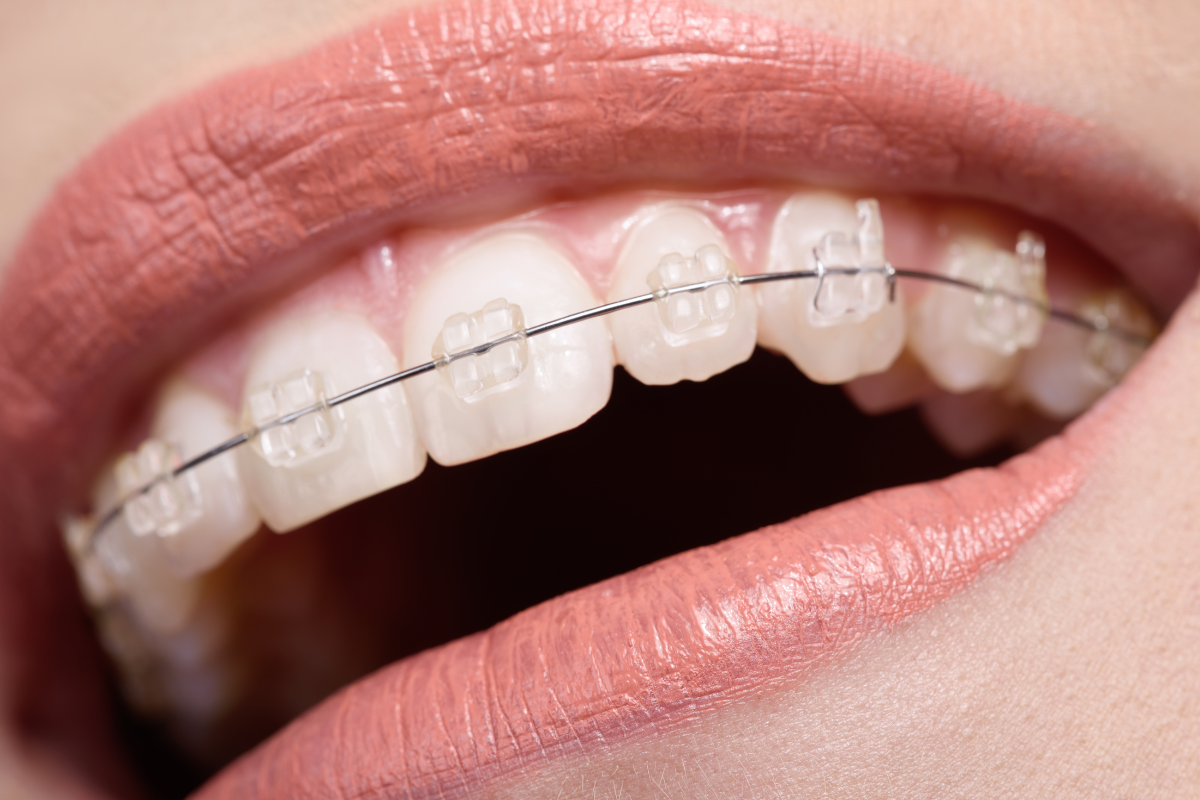
Brushing is always important, but orthodontic appliances can make oral hygiene more challenging. Brackets and wires create additional spaces where plaque and food particles can collect.
Patients with braces should carefully clean around:
- Brackets
- Wires
- Gumlines
- Chewing surfaces
- Areas between teeth
Rather than rushing, clean each section of your mouth methodically. A soft-bristled toothbrush or an orthodontist-recommended electric toothbrush can make cleaning easier.
Clear aligner patients also need consistent brushing. Because aligners cover the teeth for long periods, putting them back over teeth that have not been cleaned may trap food particles and bacteria.
Healthy teeth and gums provide a stronger foundation for orthodontic treatment.
Do Not Skip Cleaning Between Your Teeth
A toothbrush cannot thoroughly clean every surface between teeth. That is why interdental cleaning remains important throughout orthodontic treatment.
Traditional floss can require additional effort with braces because the floss needs to pass around orthodontic wires. Depending on your needs, your orthodontic team may recommend floss threaders, interdental brushes, or other cleaning aids.
The goal is simple: remove plaque from places your toothbrush cannot adequately reach.
Gums that bleed frequently, appear swollen, or remain sore should not simply be ignored. Tell your dental or orthodontic provider so the cause can be evaluated.
Choose Foods That Protect Your Braces
One of the easiest ways to avoid an unexpected orthodontic repair is to be careful about what you eat.
Hard, sticky, and very chewy foods can place excessive pressure on brackets and wires. Patients may be advised to avoid or modify foods such as:
- Hard candies
- Chewy caramels
- Popcorn kernels
- Ice
- Very hard nuts
- Sticky candy
- Tough foods that require forceful biting
That does not mean orthodontic treatment requires a bland diet. Many nutritious foods remain easy to enjoy, including yogurt, eggs, soft fruits, cooked vegetables, pasta, rice, soups, and tender proteins.
Harder fruits and vegetables may sometimes be cut into small, bite-sized pieces instead of biting directly into them.
Limit Frequent Sugary Snacks and Drinks
Sugar does not directly stop orthodontic tooth movement, but frequent sugar exposure can make maintaining oral health more difficult.
Bacteria in dental plaque use sugars and produce acids. Repeated acid exposure can contribute to enamel demineralization and cavities. With braces, plaque can be particularly difficult to remove from areas surrounding brackets.
Try to make water your primary everyday beverage. Reducing frequent sipping on soda, sweetened tea, sports drinks, and other sugary beverages can help protect enamel.
For busy San Jose families balancing school, work, activities, and commuting, planning convenient tooth-friendly snacks can also make healthy choices easier during the day.
Wear Clear Aligners as Directed
Clear aligners are removable, which is one of their biggest conveniences. Their removability also means treatment depends heavily on patient cooperation.
Aligners need adequate daily wear time to apply the planned forces to the teeth. Leaving them out too frequently or for extended periods can interfere with planned tooth movement.
Patients should follow the wear schedule given by their orthodontic provider and remove aligners when instructed, including for meals.
When the aligners are out, place them in their case. Wrapping them in a tissue or leaving them on a lunch tray makes them much easier to lose or accidentally throw away.
A San Jose orthodontist can provide specific wear instructions based on your treatment plan rather than relying on generalized recommendations found online.
Keep Every Scheduled Orthodontic Visit
Regular orthodontic visits allow the clinical team to evaluate how your teeth are responding to treatment.
During these appointments, your provider may:
- Evaluate tooth movement
- Examine your bite
- Check brackets and wires.
- Review aligner fit
- Make planned adjustments
- Address oral hygiene concerns.
- Provide the next stage of treatment.
Repeatedly missing or postponing visits may disrupt treatment monitoring and potentially extend the overall timeline.
Families should consider adding appointments to a shared digital calendar and scheduling around school, sports, work, and other commitments whenever possible.
Protect Your Teeth During Sports
Children and teens in San Jose often participate in school and recreational sports. Physical activity is beneficial, but patients undergoing orthodontic treatment should take additional precautions during activities where the mouth could be hit.
A mouthguard may help protect the teeth, lips, cheeks, and orthodontic appliances during contact or collision sports.
Patients with braces may require a mouthguard designed to accommodate brackets and ongoing tooth movement. Ask your orthodontic provider what type is appropriate before purchasing one.
Protecting your mouth during sports helps reduce the chance that an injury will interrupt treatment.
Stop Chewing on Non-Food Objects
Some habits happen almost automatically. Chewing pencils, pens, fingernails, or other objects may seem harmless, but it can place unnecessary force on teeth and orthodontic appliances.
These habits may contribute to:
- Loose or damaged brackets
- Bent wires
- Chipped teeth
- Appliance damage
If you catch yourself chewing something while studying or working, replace the habit with another activity that does not place stress on your teeth.
Parents can also gently remind children and teens when these behaviors become frequent.
Pay Attention to Problems Instead of Waiting
A loose bracket, poking wire, missing aligner, or damaged appliance should not automatically wait until the next scheduled appointment.
Some situations are minor and may only require temporary home measures. Others should be addressed sooner to prevent discomfort or interruptions in treatment.
Contact your orthodontic office and explain what happened. The team can determine whether you need an earlier visit and provide appropriate instructions.
If you are receiving care from an orthodontist in San Jose, keeping the office’s contact information easily accessible can be useful when an unexpected orthodontic issue occurs.
Follow Retainer Instructions After Active Treatment
Healthy orthodontic habits do not end when braces come off, or the final set of aligners is completed.
Teeth have a natural tendency to shift after orthodontic treatment. Retainers help maintain the positions achieved during active treatment while the tissues surrounding the teeth adapt.
Follow your provider’s instructions regarding:
- How often to wear your retainer
- How to clean it
- Where to store it
- When it should be checked
- What to do if it feels tight or no longer fits
Losing a retainer and delaying replacement may allow unwanted tooth movement to occur.
What Can Parents Do to Help Children and Teens Stay Consistent?
Parents can play an important role without turning orthodontic care into a daily conflict. Creating simple routines often works better than constant reminders.
Keep orthodontic supplies in predictable places. Make sure children have the cleaning tools they need at home and, when appropriate, in a school or travel kit. Keep aligner cases accessible and help younger patients remember appointment dates.
Positive reinforcement can also help. Instead of focusing only on mistakes, recognize when your child consistently wears aligners, keeps braces clean, or remembers their retainer.
When something is unclear, ask your San Jose orthodontist for guidance. Recommendations should reflect the child’s appliance, stage of treatment, oral health, and specific orthodontic needs.
Consistency Matters More Than Perfection
Patients occasionally forget an aligner, eat something they should have avoided, or miss part of their oral hygiene routine. One imperfect day does not define the entire treatment experience.
The more important goal is long-term consistency.
Return to your routine as soon as possible and contact your orthodontic team when a mistake causes an appliance problem. Trying to hide a broken bracket or compensate for missed aligner wear without professional guidance can make the situation more complicated.
Successful orthodontic care is a partnership. The orthodontic team plans and monitors tooth movement, while the patient protects that progress through everyday decisions.
Support Your Orthodontic Progress One Day at a Time
Orthodontic success is influenced by more than brackets, wires, or clear aligners. Daily brushing, interdental cleaning, smart food choices, appliance protection, appointment attendance, and consistent retainer wear can all contribute to a smoother treatment experience.
At Silicon Valley Pediatric Dentistry and Orthodontics – San Jose, we want patients and families to understand how everyday choices can support their treatment from the first consultation through retention. If you are searching for an orthodontist in San Jose for yourself or your child, visit our San Jose office to discuss your orthodontic needs and learn about available treatment options.
Frequently Asked Questions
- What habits can slow down orthodontic treatment?
Frequently missing appointments, breaking brackets, failing to wear aligners as instructed, and neglecting oral hygiene can interfere with planned progress. Following your orthodontic team’s instructions consistently helps reduce avoidable interruptions and keeps treatment moving appropriately.
- Can poor oral hygiene affect braces treatment?
Yes. Plaque buildup around brackets may contribute to cavities, gum inflammation, and enamel changes. Careful brushing and interdental cleaning help maintain healthy teeth and gums while your orthodontic appliances gradually guide teeth toward planned positions.
- What foods should I avoid while wearing braces?
Avoid foods that are particularly hard, sticky, or chewy when your orthodontic team advises against them. Hard candy, ice, sticky caramel, and similar foods can damage brackets or wires and create unnecessary treatment interruptions.
- Does drinking water help during orthodontic treatment?
Water helps rinse away food particles and supports normal saliva production without exposing teeth to added sugars. Choosing water instead of frequently sipping sweetened beverages can also help reduce repeated acid attacks on tooth enamel.
- How important is aligner wear for successful treatment?
Consistent wear is essential because clear aligners only apply orthodontic forces while they are seated properly over the teeth. Removing them for extended periods may interfere with planned movement and potentially affect the overall treatment timeline.
- Why do I need a retainer after orthodontic treatment?
Teeth can gradually shift after active orthodontic treatment. A retainer helps maintain their corrected positions while surrounding bone and tissues adapt. Wearing and caring for your retainer according to instructions helps protect your orthodontic results.
- Can sports interfere with orthodontic treatment?
You can generally remain active during orthodontic treatment. However, contact and collision sports may increase the risk of injuries to teeth or appliances. An appropriate orthodontic mouthguard can provide additional protection while you participate safely.