Santa Clara: 408-249-5121
How a Pediatric Dentist Helps Kids Overcome Dental Anxiety


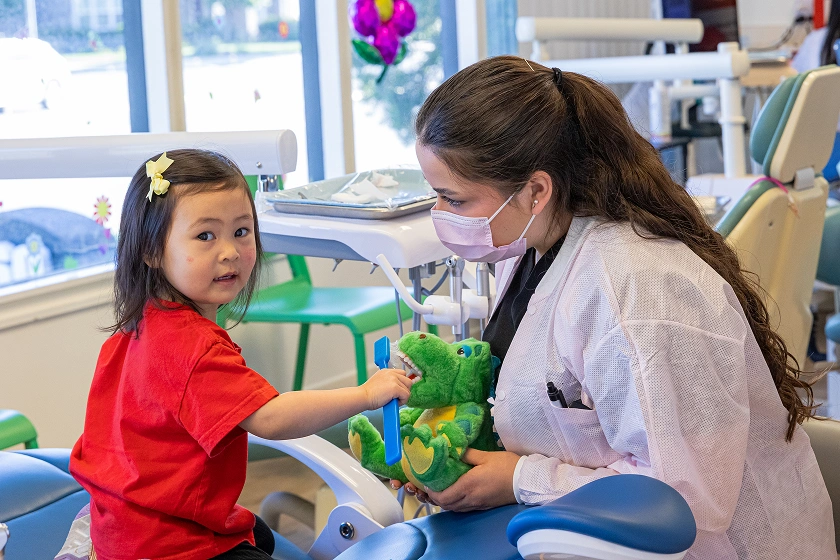
How a Pediatric Dentist Helps Kids Overcome Dental Anxiety
Dental anxiety is common among children, especially during their early visits to the dentist. Fear of unfamiliar sounds, dental tools, or potential discomfort can make appointments stressful for both kids and parents. When these fears are not addressed early, children may avoid dental care and develop oral health problems over time.
Many parents searching for a pediatric dentist in Santa Clara want a dental office where children feel calm, supported, and comfortable during every visit. Creating positive dental experiences early in life can help children build confidence and maintain healthier oral habits as they grow.
At Silicon Valley Pediatric Dentistry and Orthodontics, families in Santa Clara often seek pediatric dental care that emphasizes gentle communication, preventive care, and a child-friendly environment. Pediatric dentists understand how to help children feel more relaxed during appointments while supporting long-term oral health from an early age.
Why Children Feel Nervous About Dental Visits
Children can develop dental anxiety for many different reasons. Some fear the unknown, while others may become anxious after hearing stories from siblings, classmates, or online videos. Even a previous uncomfortable medical experience can increase nervousness during dental appointments.
Common causes of dental anxiety in children include:
- Fear of pain or discomfort
- Loud sounds from dental instruments
- Bright examination lights
- Unfamiliar surroundings
- Worry about injections or procedures.
- Separation anxiety from parents
Children may also struggle to express what exactly is making them nervous. This is why pediatric dental care focuses heavily on patience, reassurance, and communication designed specifically for young patients.
How Pediatric Dentists Create a Comfortable Environment for Kids
Pediatric dental offices are designed to help children feel more at ease from the moment they walk through the door. A welcoming atmosphere can help reduce stress and make dental visits feel less intimidating.
Child-focused dental environments often include:
- Bright and inviting spaces
- Friendly interactions with staff
- Kid-friendly decorations and activities
- Gentle communication styles
- Dental tools designed for children
Pediatric dental practitioners also understand that every child reacts differently. Some children need extra reassurance, while others respond better to gradual introductions to dental procedures.
The Importance of Positive Early Dental Experiences
Children who have positive experiences at the dentist early in life are more likely to continue routine dental visits as they grow older. Early appointments help children become familiar with the dental office before more advanced treatment is ever needed.
Positive dental visits can help children:
- Feel more confident during appointments.
- Build trust with the dental team.
- Develop healthier oral hygiene habits.
- Reduce fear associated with dental care.
- Improve cooperation during future visits.
Many families in Santa Clara prioritize preventive dental visits because consistent care often leads to a more comfortable experience for children over time.
Child-Friendly Communication Reduces Dental Fear
One of the most important ways pediatric dentists help children overcome anxiety is through communication. Children respond better when they understand what is happening during their appointment.
Pediatric dental practitioners often explain treatments using simple and reassuring language. Instead of introducing dental tools in a way that may sound intimidating, they describe procedures step by step to reduce uncertainty.
This communication approach helps children feel more involved and less fearful throughout the visit.
How Routine Dental Visits Build Confidence
Children often feel safer when they know what to expect. Regular dental visits create familiarity with the office, the dental team, and the overall process.
As children return for routine cleanings and exams, they become more comfortable sitting in the dental chair and interacting with the dentist.
Routine visits can help children:
- Become familiar with dental procedures.
- Reduce fear of future appointments.
- Build confidence over time.
- Improve comfort during cleanings and exams.
Consistency is one of the most effective ways to lower dental anxiety in children.
Preventive Pediatric Dental Care Helps Avoid Stressful Treatments
Preventive dental care plays an important role in reducing anxiety because it helps children avoid more complex dental problems. When oral health issues are treated early, children are less likely to experience discomfort or emergency visits.
Preventive pediatric dental services may include:
Dental Exams and Cleanings
Routine cleanings help remove plaque buildup while allowing dentists to monitor oral development.
Fluoride Treatments
Fluoride strengthens enamel and helps lower the risk of cavities in children.
Dental Sealants
Sealants help protect molars from decay by covering deep grooves where food particles collect.
Oral Hygiene Education
Children and parents receive guidance on brushing, flossing, and healthy dental habits at home.
These preventive approaches help create more positive experiences during dental visits.
The Role Parents Play in Reducing Dental Anxiety
Parents have a major influence on how children view dental care. Children often observe their parents’ reactions and attitudes toward dental visits.
Parents can help children feel more relaxed by:
- Speaking positively about the dentist
- Avoiding negative dental stories
- Scheduling appointments at calm times of day
- Bringing a comfort item to the visit
- Encouraging children before appointments
Using reassuring language before a visit can help children approach the appointment with less fear.
Techniques Pediatric Dentists Use to Help Children Feel Calm
Pediatric dental professionals use several child-focused techniques to help children feel comfortable during appointments.
Tell-Show-Do Technique
The dentist explains the procedure, demonstrates the tool, and then performs the treatment. This step-by-step approach helps children understand what will happen next.
Positive Reinforcement
Children are encouraged throughout the appointment to cooperate and participate.
Gentle Distraction Methods
Music, conversation, or entertainment may help children stay focused on something other than the procedure.
Shorter Appointments
Younger children often respond better to shorter visits that prevent them from feeling overwhelmed.
A Santa Clara Pediatric Dentist may use these approaches to help children gradually feel more confident about dental care.
Why Consistent Pediatric Dental Care Matters
Routine pediatric dental visits support both oral health and emotional comfort. Children who visit the dentist consistently often become more relaxed during appointments and develop healthier habits as they grow.
Consistent dental care helps:
- Prevent cavities and gum issues.
- Monitor tooth development
- Encourage healthier brushing habits.
- Build familiarity with dental visits.
- Reduce fear associated with treatment.
Families who prioritize preventive care often notice that children become more cooperative and comfortable during routine appointments.
Final Thoughts
Helping children overcome dental anxiety takes patience, understanding, and a supportive environment. Pediatric dentists focus on creating positive experiences that help children feel safe and comfortable during every stage of dental care.
At Silicon Valley Pediatric Dentistry and Orthodontics, families in Santa Clara can find pediatric dental care designed to support children’s comfort while promoting healthy smiles for the future. Early and consistent dental visits can help children build confidence and develop lifelong oral health habits.
FAQs
1. How can I help my child feel less nervous before a dental visit?
Talking positively about the dentist and explaining the visit in simple terms can help children feel more comfortable. A child-friendly dental office can also make appointments feel less stressful.
2. At what age should children first visit a pediatric dentist?
Children should generally visit a dentist by their first birthday or when their first tooth appears. Early visits help children become familiar with dental care from a young age.
3. Why are routine dental visits important for children?
Regular dental visits help prevent cavities, monitor oral development, and create positive dental experiences that reduce fear over time.
4. What if my child cries during the appointment?
It is common for younger children to feel nervous during early visits. Pediatric dental teams use gentle communication and calming techniques to help children feel more secure.
5. Can pediatric dentists help children with severe dental anxiety?
Yes. Pediatric dentists use child-focused approaches designed to help anxious children feel more relaxed and comfortable during dental care.