Santa Clara: 408-249-5121
Why Should My Child See A Pediatric Dentist Instead Of Our Regular Family Dentist?


Why Should My Child See A Pediatric Dentist Instead Of Our Regular Family Dentist?
As parents, we want the best care for our children, especially when it comes to their health. Dental appointments can be stressful for young ones, and many families wonder whether a general dentist is enough or if a specialist is a better choice. When it comes to a junior’s oral development, seeing a child-friendly dentist can make a world of difference in comfort, outcomes, and long‑term habits.
This article explains why specialized dental care matters for toddlers, how it differs from general treatment, and the specific advantages it offers your tot. Whether you’re preparing for Sunnyvale’s spring festivals, enjoying a weekend stroll through Baylands Nature Preserve, or getting ready for school after the summer, early pediatric dental care sets the foundation for lifelong oral health.
What Makes Pediatric Dentists Different From Family Dentists?
A pediatric dentist Sunnyvale has specialized training to care for children’s teeth from infancy through adolescence. This training goes beyond just cleaning teeth. They understand the specific developmental stages that a junior’s teeth go through and can treat the related concerns. These often include teething issues, early orthodontics, and special oral health needs.
While family dentists treat patients of all ages, they may not have the same specialized techniques for young patients. A child specialist is also equipped to manage any dental anxiety little ones might experience, making the process comfortable and positive for tots and parents.
Why Is A Pedodontist Crucial For My Junior’s Teeth?
Kids’ mouths change quickly. New teeth erupt, baby teeth fall out, and spaces develop for adult teeth. These transitions require routine cleanings as well as expert monitoring and guidance.
A Sunnyvale pediatric dentist has extensive training beyond general dentistry. They’re prepared to:
- Track growth patterns as teeth emerge.
- Detect early signs of alignment or bite issues.
- Address habits like thumb‑sucking or pacifier dependence.
- Support juniors who are anxious or resistant.
Specialized providers understand how to make visits engaging and stress‑free. That’s not just a courtesy—it leads to better long‑term cooperation and healthier dental habits.
Creating Comfort And Trust At Every Age
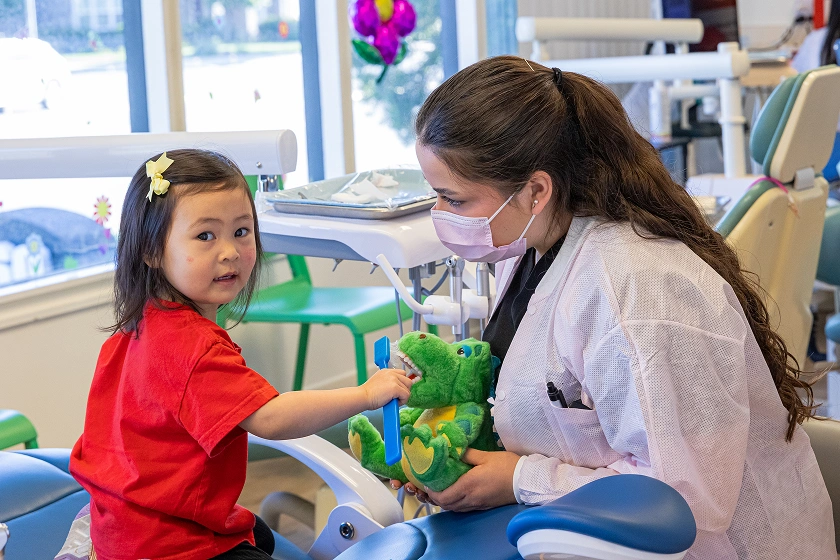
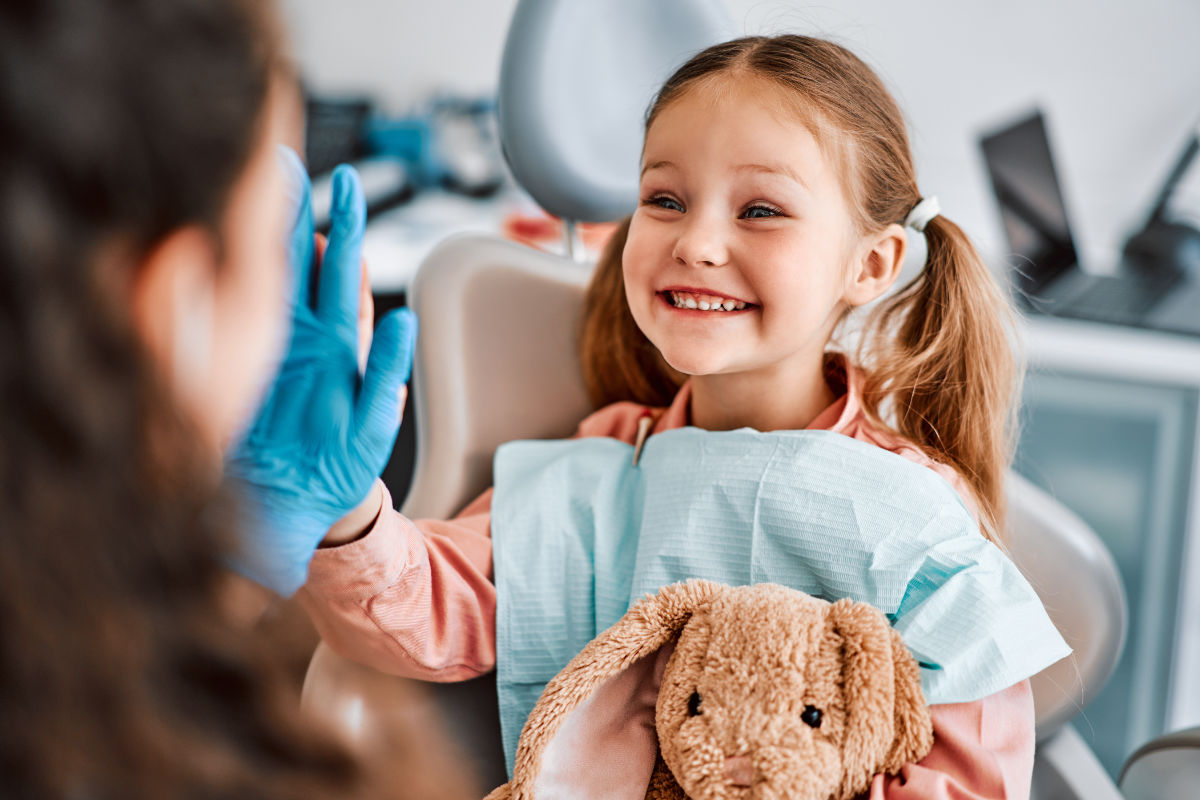
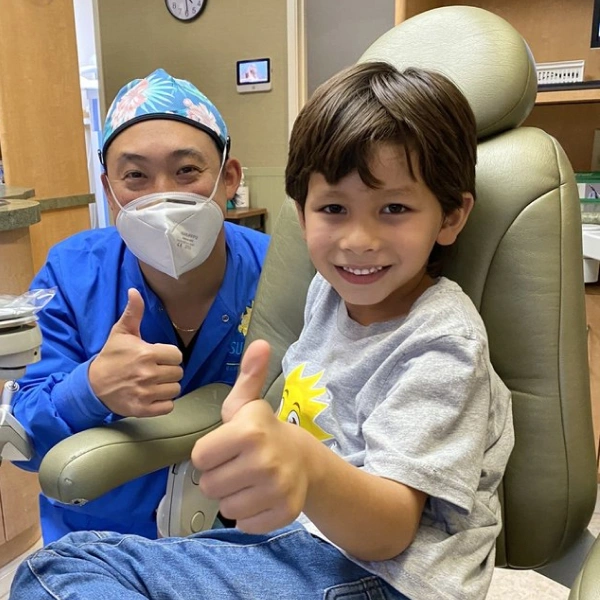
A major benefit of seeing a pedodontist is the child‑centered environment. These practices are designed to help little ones feel relaxed and successful. Staff are trained in gentle behavioral techniques, and equipment is sized for smaller mouths.
This matters enormously for families. Toddlers who feel safe and understood are more likely to:
- Sit calmly for exams.
- Ask questions.
- Accept necessary treatments.
- Maintain consistent care over time.
Instead of tense visits that build apprehension, your kid learns that oral wellness is a positive part of life.
Prevention That Keeps Smiles Healthy Long Term
Prevention is the foundation of pediatrics. A specialist doesn’t just wait for cavities to appear; they actively help prevent them with strategies based on your junior’s unique situation.
This includes guidance on:
- Proper brushing and flossing techniques.
- Timing for sealants.
- Nutrition’s impact on teeth.
- Transitions like losing baby teeth.
For example, discussing baby bottle decay or nighttime snacking habits can help parents preserve healthy enamel. Pediatric teams also know when to refer for an orthodontic consultation early—a benefit that can reduce the need for more invasive treatments later.
Parent Education: A Core Part Of Every Visit
Parents play a central role in shaping lifelong habits. Beyond exams and cleanings, child-friendly dentists in Sunnyvale spend time helping caregivers understand:
- What’s normal vs. concerning?
- When to schedule appointments.
- How to manage teething discomfort.
- Best practices for daily care.
This educational emphasis is often stronger in practices dedicated to younger patients compared to general dentistry. You walk away not just with a treatment completed, but with tools and confidence to care for your tot’s smile at home.
When Should My Youngster First Visit The Dentist?
The American Academy of Pediatric Dentistry recommends that your child visit a dentist by their first birthday or within six months of their first tooth eruption. It helps doctors assess oral health, provide preventive care, and catch issues early.
After the initial visit, regular checkups every six months are usually recommended. These visits help keep your toddler’s teeth healthy, prevent cavities, and ensure that their smile develops correctly as they grow.
What To Expect At Your Child’s First Visit?
When you bring your kid for pediatric dental care in Sunnyvale, the first visit is relaxed and informative:
- A gentle exam of teeth and gums.
- An assessment of growth patterns.
- An opportunity for kids to explore dental tools in a low‑stress way.
- A conversation with you about at‑home care and future checkups.
Choose Our Pediatric Dentist For Your Child’s Smile Health
For your child’s optimal oral health, choosing a pediatric dentist ensures care specialized specifically for young patients’ needs. With expertise in growth development, behavior management, and early dental concerns, they offer the best chance for a healthy, confident smile. Whether you’re preparing your little one for their first visit or seeking ongoing care for growing teeth, our specialized treatment at Silicon Valley Pediatric Dentistry & Orthodontics offers a tailored approach that supports both oral health and positive dental habits for life. Book now for a consultation.
Frequently Asked Questions (FAQs)
- How often should my kid see the dentist?
Juniors usually need a dental check‑up every six months to monitor growth and prevent issues before they become serious. Regular visits help catch developmental changes early and support long‑term dental health.
- At what age should my child stop using a pacifier?
Most dentists recommend weaning off pacifiers by age two to three, as prolonged use can affect bite alignment and speech development. An early transition helps reduce the risk of future orthodontic concerns.
- When do children usually lose their baby teeth?
Little ones begin losing baby teeth around age six, starting with the lower front teeth, and finish by age 12. Monitoring this natural progression ensures proper spacing and support for adult teeth.
- How do pediatric professionals help youngsters manage dental anxiety?
Encouraging open communication and “practice visits” can build trust and reduce fear before procedures begin. Positive reinforcement from parents and gentle explanations help kids feel safe during appointments.
- What signs indicate my child needs an orthodontic evaluation?
Early signs include crowding, uneven bites, or teeth that don’t meet properly when smiling or chewing. Addressing these early can simplify future treatment and improve function as the jaw develops.