Santa Clara: 408-249-5121
Why Choosing a Braces Specialist Can Improve Your Treatment Experience


Why Choosing a Braces Specialist Can Improve Your Treatment Experience
Crooked teeth, bite problems, or crowded smiles often raise an important question: Does it matter who provides orthodontic treatment? The answer is yes.
Working with a Santa Clara orthodontist who focuses on tooth and jaw alignment can influence everything from your treatment plan to your comfort throughout the process. At Silicon Valley Pediatric Dentistry and Orthodontics, Dr. Aaron understands that every patient has different oral development, bite patterns, and treatment goals. Rather than taking a one-size-fits-all approach, careful planning helps create a smoother treatment experience while protecting your long-term oral health.
Whether you are considering treatment for yourself or your child, understanding what a braces specialist does can help you make a more informed decision. This guide explains how specialized orthodontic care improves treatment outcomes, what to expect at each stage, and why local families in Santa Clara and nearby communities continue to seek professional orthodontic care.
Why Does Seeing a Braces Specialist Matter?
A braces specialist focuses on diagnosing and correcting tooth alignment and bite problems using advanced orthodontic techniques, helping patients receive treatment that is both efficient and carefully planned.
Unlike general dental care, orthodontic treatment requires a detailed understanding of how teeth, jaws, facial bones, and bite relationships change over time. Even small movements must be planned carefully to support proper function while improving appearance.
A braces specialist evaluates factors such as:
- Tooth crowding and spacing
- Bite alignment
- Jaw development
- Facial growth patterns
- Tooth eruption timing
- Long-term stability after treatment
Instead of simply straightening teeth, the goal is to create a healthy bite that supports chewing, speech, and easier oral hygiene.
According to the American Association of Orthodontists, millions of Americans receive orthodontic treatment each year, and the organization recommends that children receive their first orthodontic evaluation by age seven. Early assessments can identify developing concerns before they become more complicated.
How Does a Braces Specialist Improve Your Treatment Experience?
Careful diagnosis, customized planning, and ongoing monitoring help reduce unnecessary complications while making treatment more efficient.
Many patients believe orthodontic treatment begins when appliances are placed. In reality, the most important work happens before treatment starts.
A braces specialist begins by collecting detailed diagnostic information, including:
- Digital photographs
- Digital X-rays
- Bite analysis
- Intraoral scans
- Growth evaluation for younger patients
This information allows every tooth movement to be planned before active treatment begins.
Treatment Is Planned Around Your Bite, Not Just Your Smile
Straight-looking teeth alone do not always indicate a healthy bite.
Proper orthodontic planning also considers:
- How upper and lower teeth fit together
- Jaw positioning
- Long-term tooth stability
- Even distribution of chewing forces
Addressing these factors can reduce excessive tooth wear and help support healthier oral function after treatment is complete.
What Types of Problems Can Orthodontic Treatment Correct?
Many people assume orthodontic care is only for crooked teeth. In reality, treatment addresses a wide range of concerns that may affect both appearance and oral health.
Common conditions include:
- Crowded teeth
- Gaps between teeth
- Overbite
- Underbite
- Crossbite
- Open bite
- Rotated teeth
- Impacted teeth
- Shifting teeth after previous treatment
Patients throughout Santa Clara often seek treatment because these conditions make brushing and flossing more difficult or interfere with comfortable chewing.
Some problems are subtle and may not become noticeable until they begin causing uneven tooth wear or jaw discomfort.
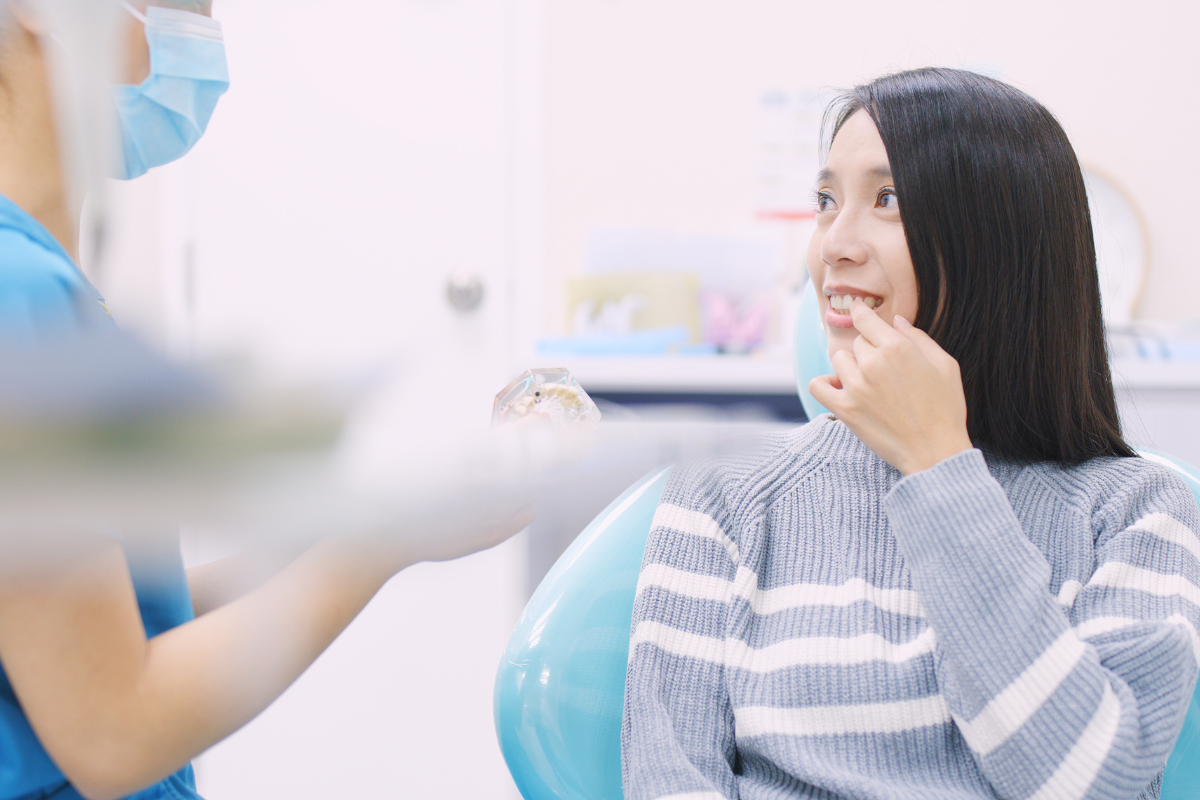
What Happens During Your First Orthodontic Consultation?
Your first visit focuses on understanding your bite, identifying concerns, and determining whether treatment is necessary now or should be monitored over time.
Many patients worry that every consultation leads directly to treatment. That is not always the case.
A comprehensive evaluation typically includes:
- Medical and Dental History
Your provider reviews previous dental treatment, growth history, and any concerns affecting your oral health.
- Digital Imaging
Modern digital imaging provides highly detailed views of your teeth, roots, and supporting bone while using significantly less radiation than traditional methods.
- Bite Evaluation
Your bite is carefully examined to identify alignment problems that may not be visible in photographs alone.
- Personalized Treatment Discussion
If treatment is recommended, your provider explains:
- Why it is needed
- Expected treatment goals
- Estimated timeline
- Available appliance options
- Home care expectations
At Silicon Valley Pediatric Dentistry and Orthodontics, every consultation is designed to help patients and parents understand their options before making treatment decisions. This thoughtful approach helps families from Sunnyvale, Cupertino, Milpitas, and surrounding communities feel informed and confident before beginning orthodontic care.
Can Delaying Orthodontic Treatment Make Problems Worse?
Not every alignment problem requires immediate treatment, but delaying care can make certain bite issues more difficult to correct over time.
Many parents wonder whether a child will “grow out of” crooked teeth. Adults often assume they have missed the opportunity for treatment altogether. Both situations deserve a professional evaluation instead of guesswork.
Delaying treatment may contribute to:
- Increased tooth crowding
- Uneven tooth wear
- Greater difficulty cleaning between teeth
- Changes in bite alignment
- Additional treatment complexity later
This does not mean every patient needs immediate treatment. In some cases, monitoring growth is the most appropriate recommendation. A professional evaluation helps determine the right timing based on your individual needs rather than age alone.
Are Modern Orthodontic Treatments More Comfortable Than Before?
Advances in materials and digital technology have made orthodontic treatment more comfortable and precise than in previous decades.
Many people still picture bulky appliances from years ago. Today’s orthodontics uses improved materials that apply gentle, controlled forces to move teeth gradually.
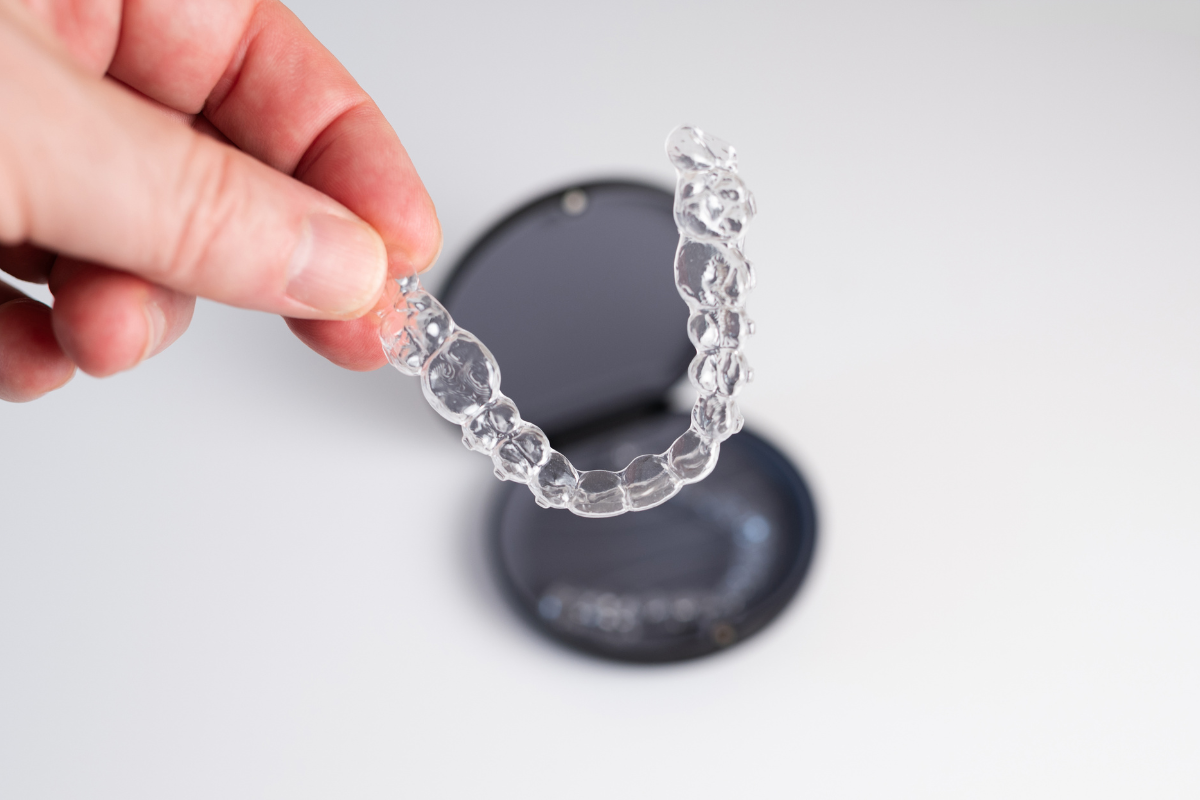
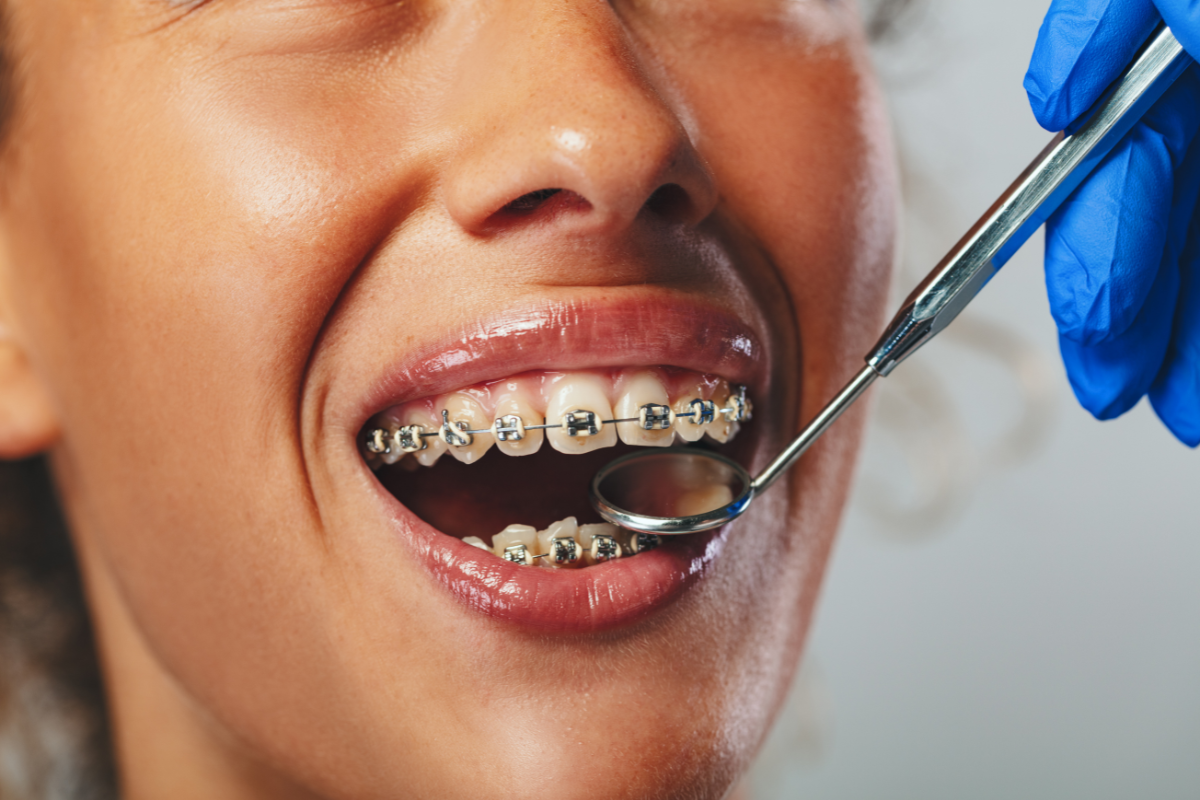
Depending on your needs, treatment options may include:
- Traditional metal appliances
- Ceramic appliances
- Clear aligners
- Space maintainers for children
- Early interceptive orthodontic treatment
An orthodontist in Santa Clara will recommend the most appropriate option after evaluating your bite, oral health, and treatment goals rather than recommending the same solution for every patient.
Technology Helps Improve Accuracy
Modern orthodontic practices often use digital tools such as:
- Digital impressions instead of messy molds
- Three-dimensional imaging
- Computer-assisted treatment planning
- Digital progress monitoring
These technologies improve precision while making appointments more comfortable for many patients.
Why Is Ongoing Monitoring So Important During Treatment?
Regular follow-up visits help keep tooth movement on track and identify concerns before they become larger problems.
Orthodontic treatment is not something that can be planned once and left alone. Teeth respond differently from one patient to another.
During follow-up appointments, your provider evaluates:
- Tooth movement
- Bite changes
- Appliance condition
- Oral hygiene
- Gum health
- Treatment progress
Small adjustments made during these visits help guide teeth into their planned positions while reducing the chance of unnecessary delays.
Patients who attend scheduled appointments and follow home care instructions often enjoy a smoother treatment experience.
How Can Patients Help Their Treatment Stay on Schedule?
Professional care is only one part of successful orthodontics. Daily habits also influence how treatment progresses.
Simple habits that support treatment include:
- Brushing carefully around appliances
- Flossing every day
- Avoiding foods that can damage appliances
- Wearing elastics as instructed
- Attending scheduled appointments
- Report broken appliances promptly.
For patients using clear aligners, wearing them for the recommended number of hours each day is equally important.
Many patients are surprised to learn that missed appointments or damaged appliances can extend overall treatment time.
What Should You Look for When Choosing an Orthodontic Provider?
Choosing the right provider involves more than comparing treatment options.
Consider asking these questions:
| Question | Why It Matters |
| Does the provider perform comprehensive bite evaluations? | A healthy bite supports long-term function. |
| Is digital imaging used? | Modern diagnostics improve planning accuracy. |
| Are treatment options clearly explained? | Patients should understand every recommendation. |
| Will progress be monitored regularly? | Consistent follow-up supports predictable treatment. |
| Is treatment available for children, teens, and adults? | Different age groups require different planning approaches. |
Families searching for an orthodontist in Santa Clara, CA, often appreciate practices that combine advanced diagnostics with clear communication, making every stage of treatment easier to understand.
At Silicon Valley Pediatric Dentistry and Orthodontics, patients receive individualized evaluations designed to address both immediate concerns and long-term oral health. Whether treatment involves early intervention, adolescent orthodontics, or adult tooth alignment, every recommendation begins with a thorough examination and an open discussion about available options.
Choose Orthodontic Care That Supports Your Long-Term Oral Health
Choosing the right provider is about more than straightening teeth. A careful evaluation, thoughtful treatment planning, and consistent follow-up all contribute to a healthier bite and a more comfortable experience. Receiving care from a Santa Clara orthodontist allows potential concerns to be identified early and managed with techniques that support lasting oral health.
If you have questions about tooth alignment or bite development, Silicon Valley Pediatric Dentistry and Orthodontics is here to help. Dr. Aaron and the team provide comprehensive orthodontic evaluations for children, teens, and adults, helping families understand their options before treatment begins. Schedule an appointment today to learn how our qualified braces specialist can help you achieve a healthier, more confident smile.
Frequently Asked Questions
- At what age should someone first have an orthodontic evaluation?
Many children benefit from an evaluation around age seven because permanent teeth and jaw development can be assessed early. Even if treatment is not needed immediately, regular monitoring helps determine the ideal time to begin. Adults can also benefit from an evaluation to discuss available treatment options and receive personalized recommendations.
- Can adults still receive orthodontic treatment?
Yes. Healthy teeth and gums are more important than age. Many adults choose treatment to improve bite function, tooth alignment, or smile appearance. A professional examination helps determine the most appropriate treatment option and whether any dental concerns should be addressed before treatment begins.
- Does every patient need the same type of orthodontic appliance?
No. Treatment depends on factors such as bite alignment, tooth position, age, oral health, and treatment goals. A complete evaluation allows your provider to recommend the option that best fits your clinical needs while explaining the advantages and limitations of each approach.
- How often are follow-up appointments needed during treatment?
Most patients return every few weeks so progress can be monitored and adjustments made when necessary. These visits help ensure treatment stays on schedule, appliances remain in good condition, and any concerns are addressed before they affect overall progress.
- What should I do if I notice my teeth are shifting after previous treatment?
Teeth can gradually move over time, especially if retainers are no longer worn consistently. A professional evaluation can determine the cause of the movement and recommend appropriate treatment to prevent further changes and, when necessary, restore proper alignment.