Santa Clara: 408-249-5121
With So Many Options Now — Should I Even Consider Traditional Braces?

With So Many Options Now — Should I Even Consider Traditional Braces?
Orthodontic care has changed significantly. Patients can now choose from metal braces, ceramic braces, and clear aligners. With so many orthodontic treatment options available, fixed braces may seem outdated. However, they remain a dependable choice for children, teenagers, and adults with a wide range of tooth and bite problems.
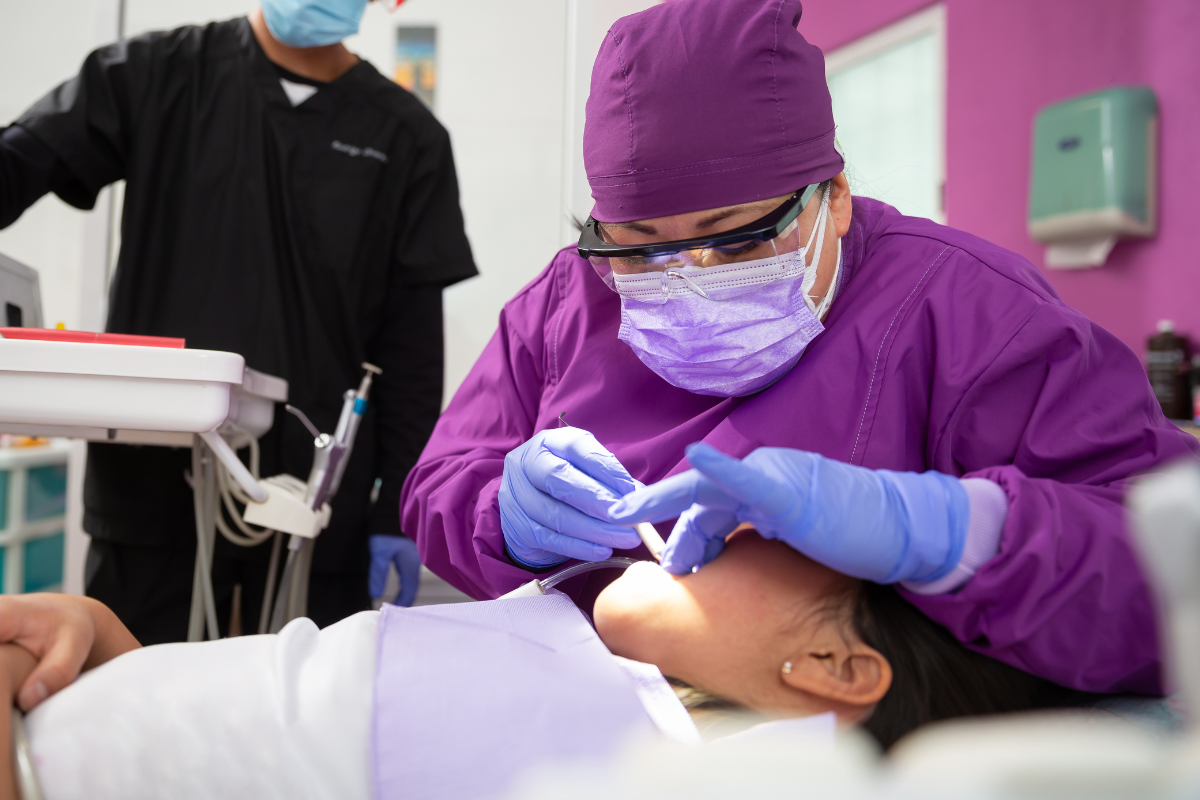
At Silicon Valley Pediatric Dentistry and Orthodontics – San Jose, Dr. Bui, an orthodontist, evaluates tooth position, jaw development, bite function, and oral health before recommending treatment. Instead of choosing an appliance based solely on appearance, patients should consider the required correction and the responsibilities involved.
If you are comparing treatment options, an orthodontist in San Jose, CA can explain which approach offers predictable control for your specific condition.
Are Traditional Braces Still Worth It?
Yes, traditional braces remain worth considering because they provide continuous tooth movement without relying on patients to insert or remove an appliance. They can address mild alignment concerns as well as more complicated orthodontic problems.
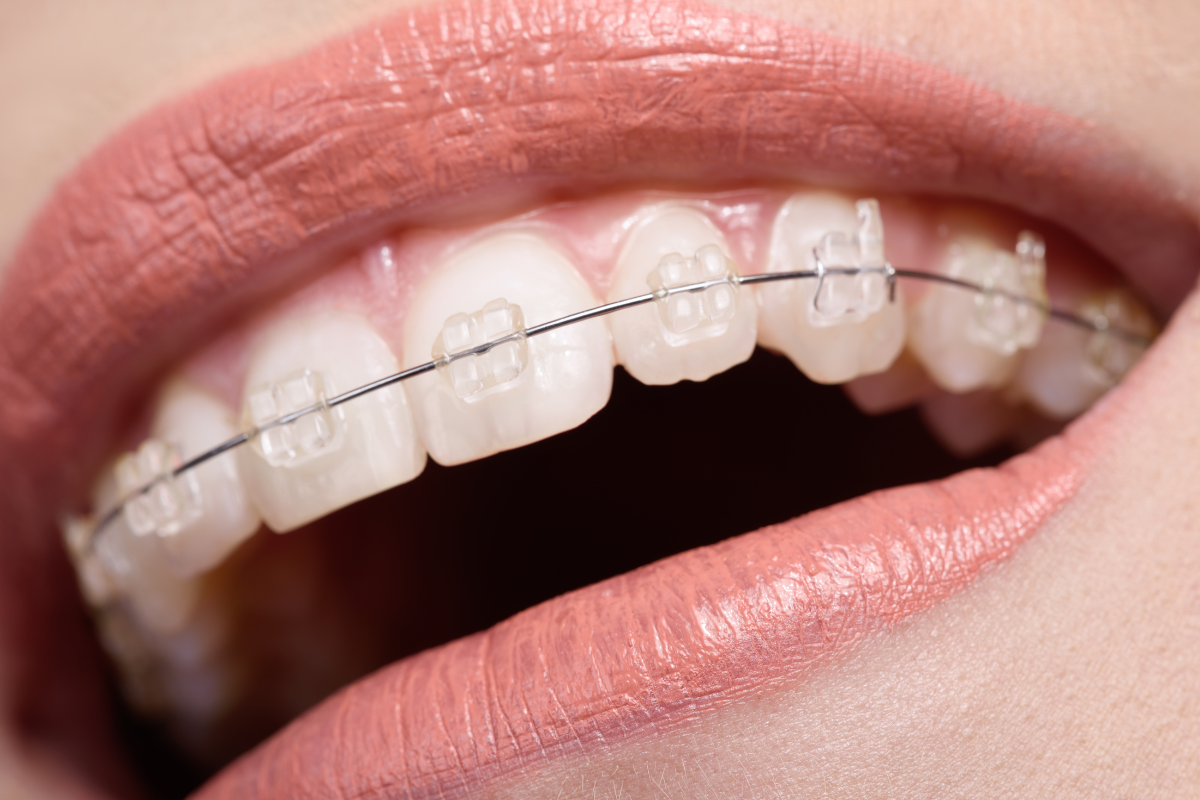
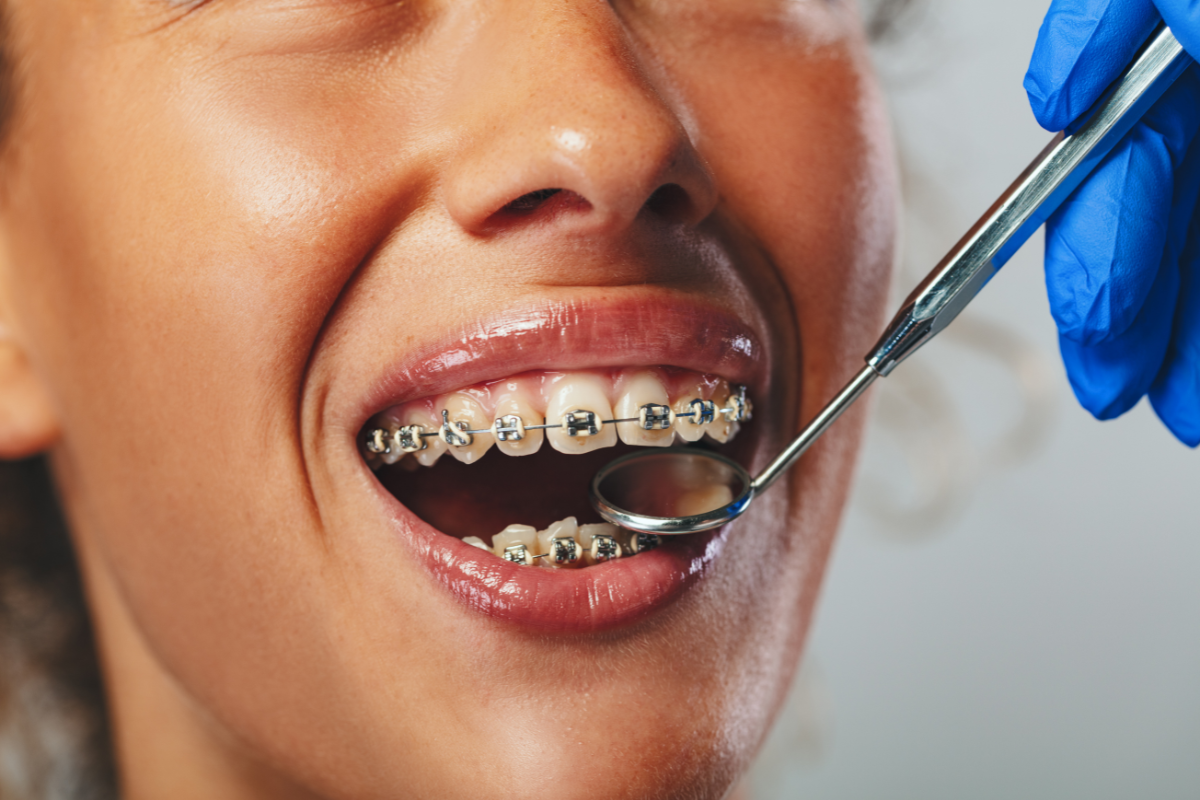
Brackets are bonded to the teeth and connected by an archwire. The wire applies controlled pressure to gradually guide teeth toward their planned positions. Elastics or other appliances may also be used when the upper and lower teeth need help to meet properly.
Modern brackets are generally smaller than earlier designs. Advances in archwire materials also allow orthodontists to apply steady, measured forces throughout treatment.
When Fixed Braces May Be the Right Choice
No single treatment method works for everyone. Fixed appliances may be considered when a patient has:
- Significant dental crowding
- Rotated or severely tilted teeth
- Wide spaces between teeth
- An overbite, underbite, open bite, or crossbite
- Teeth that require movement in several directions
- Difficulty following a removable aligner schedule
- A bite problem that requires elastics or other appliances
Because the appliance remains on the teeth, it works throughout the day. Patients do not have to remember to put it back in after meals. This feature may benefit younger patients or anyone concerned about meeting clear aligner wear requirements.
How Do Braces Compare With Clear Aligners?
Clear aligners are thin, removable trays created to move teeth in a planned sequence. They appeal to patients who want a less noticeable appliance and the freedom to remove it while eating, brushing, and flossing.
However, aligners must be worn as directed, often for most of the day. Frequently leaving trays out can interrupt tooth movement and extend the treatment timeline. Trays can also be misplaced, damaged, or accidentally thrown away.
Traditional braces do not depend on daily wear compliance. They may also provide greater control over certain rotations, vertical movements, and complex bite corrections. Still, clear aligner treatment can be effective for many patients who can follow the prescribed routine.
A San Jose orthodontist may evaluate digital scans, X-rays, facial development, tooth roots, and bite relationships before comparing these options.
What Are the Advantages and Responsibilities?
Potential Benefits
Fixed orthodontic appliances offer several practical advantages:
- Continuous correction: The appliance stays attached and keeps working.
- Broad application: It can address many forms of malocclusion and dental crowding.
- Precise adjustments: The orthodontist can modify wires, elastics, and bracket mechanics.
- No removable trays: Patients do not need to store or replace aligners.
- Personal expression: Children and teens can select colored elastic ties at appointments.
Daily Care Requirements
Traditional braces require careful oral hygiene. Plaque and food can collect around brackets, increasing the risk of cavities, gum inflammation, and white marks on enamel.
Patients should brush around every bracket and along the gumline. Floss threaders, interdental brushes, or water flossers can help clean between teeth. Hard, sticky, and chewy foods should be limited because they can bend wires or loosen brackets.
If you want hands-on guidance about cleaning techniques, visit our dental office. An orthodontist in San Jose, CA, can also explain how food choices and oral hygiene may affect treatment progress.
How Long Does Orthodontic Treatment Take?
Treatment length depends on the starting condition, age, biological response, treatment goals, and appointment consistency. Minor tooth movement may require less time, while extensive bite correction can take longer.
The appliance alone does not determine the timeline. Keeping scheduled visits, wearing elastics correctly, avoiding broken brackets, and maintaining healthy teeth and gums can help treatment move forward as planned. After active treatment, a retainer is needed to help maintain the new tooth positions.
How Should You Choose an Orthodontic Option?
The right choice balances clinical needs with daily habits and personal preferences. During a consultation, ask:
- What tooth and bite problems need correction?
- Can aligners complete every planned movement?
- How much patient cooperation does each option require?
- What oral hygiene changes will be necessary?
- How often will adjustment or monitoring visits occur?
- Will additional appliances or elastics be needed?
- What type of retainer will follow treatment?
An in-person evaluation is essential because straightening teeth also affects the bite, roots, supporting bone, and gum tissues.
Start Your Orthodontic Consultation in San Jose
Today’s patients have more choices, but newer does not automatically mean more suitable. Traditional braces continue to offer controlled, consistent tooth movement for a wide range of orthodontic needs.
Contact Silicon Valley Pediatric Dentistry and Orthodontics – San Jose to book an appointment. Our orthodontist in San Jose can assess your bite, discuss your goals, and help you choose a treatment approach that supports lasting oral health.
Frequently Asked Questions
- Are metal braces only for children and teenagers?
No. Adults can also use fixed orthodontic appliances to correct crowding, spacing, and bite issues. Candidacy depends more on oral health and treatment needs than age. A clinical evaluation can determine whether this method is suitable for your condition.
- Are braces more effective than clear aligners?
Both options can move teeth effectively when used for appropriate cases. Braces may provide greater control for complex movements, while aligners can correct many mild-to-moderate concerns. An orthodontic examination is needed for a meaningful comparison.
- Do modern braces hurt?
Patients may notice pressure or tenderness after placement and adjustment visits. This discomfort is usually temporary and often improves within several days. Persistent pain, a loose bracket, or a sharp wire should be reported to the orthodontic office.
- Can braces correct a severe bite problem?
Fixed appliances can address many overbites, underbites, crossbites, and open bites. Some cases may also require elastics, an expander, or jaw surgery. Diagnostic records help determine the necessary treatment steps.
- How often are adjustment appointments needed?
Visit frequency depends on the appliance and treatment plan. Appointments allow the orthodontic team to monitor movement, change wires, and check oral health. Attending visits consistently can help prevent avoidable treatment delays.
- Will I need a retainer after treatment?
Yes. Teeth naturally tend to shift after orthodontic movement. A removable or fixed retainer helps preserve the corrected alignment. Your orthodontic team will provide instructions for wear, cleaning, and long-term monitoring.