Santa Clara: 408-249-5121
Adult Orthodontics: It’s Never Too Late to Straighten Your Smile

Adult Orthodontics: It’s Never Too Late to Straighten Your Smile
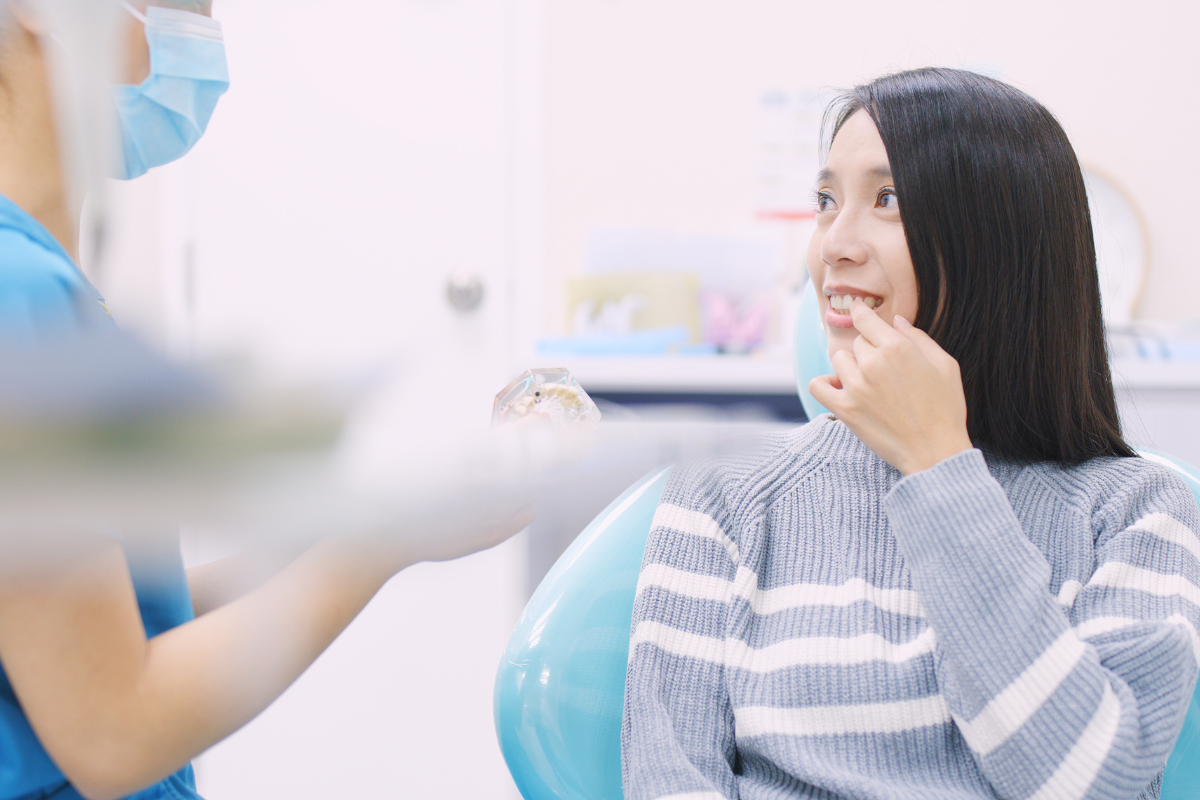
Have you ever wondered whether you missed your chance to straighten your teeth? Orthodontic treatment is not limited to children and teenagers. Adults can move healthy teeth at many stages of life, provided their teeth, gums, and supporting bone are healthy.
At Silicon Valley Pediatric Dentistry and Orthodontics – San Jose, Dr. Aaron and the dental team help adults understand their options before treatment begins. Many patients see an orthodontist in San Jose because their teeth shifted after earlier treatment, they never had braces, or they want to address a bite concern. For adults across San Jose and nearby communities such as Santa Clara and Sunnyvale, modern adult orthodontics can provide practical options for improving alignment, bite function, oral hygiene, and smile appearance.
Is It Really Too Late to Straighten Your Teeth as an Adult?
No, age alone does not determine whether your teeth can be moved successfully. What matters more is the health of your teeth, gums, jawbone, and supporting tissues.
Orthodontic tooth movement occurs when controlled pressure encourages the bone surrounding a tooth to remodel. This biological process also occurs in adults. However, adults have fully developed jaws, and some may have existing dental work or periodontal concerns. These factors require careful evaluation before treatment.
A San Jose orthodontist may evaluate your bite, tooth position, gum health, dental history, and existing restorations before recommending treatment.
Why Do Adults Decide to Get Orthodontic Treatment?
Adults pursue treatment for many different reasons. Some want to address crowding they have had since childhood. Others notice their teeth moving years after previous braces, particularly when retainers were no longer worn.
Common reasons for considering adult orthodontics include:
- Crooked or crowded teeth
- Gaps between teeth
- Teeth that have shifted over time
- Overbite or other bite problems
- Difficulty cleaning between crowded teeth
- Relapse after previous orthodontic care
- Concerns about smile appearance
Straighter teeth may also make daily brushing and flossing easier in areas that were previously difficult to reach.
Does Adult Orthodontics Improve More Than Smile Appearance?
Yes, orthodontic care is not solely cosmetic. Proper tooth alignment can support oral hygiene, chewing function, and a more balanced bite.
Crowded or overlapping teeth can create areas where plaque is harder to remove. Certain bite problems may also place uneven forces on teeth. Correcting appropriate alignment problems can help create conditions that make long-term dental care easier.
For example, an adult may initially seek treatment because one front tooth looks crooked. During the evaluation, the dental team may identify crowding or a bite relationship that also deserves attention. This is why a clinical assessment matters before choosing braces or clear aligners.
What Orthodontic Options Are Available for Adults?
Modern adult orthodontics offers options that can accommodate diverse clinical needs and lifestyles. Silicon Valley Pediatric Dentistry and Orthodontics – San Jose offers traditional braces, ceramic braces, and Invisalign® clear aligners. The practice also offers free orthodontic consultations for adults.
Traditional Metal Braces
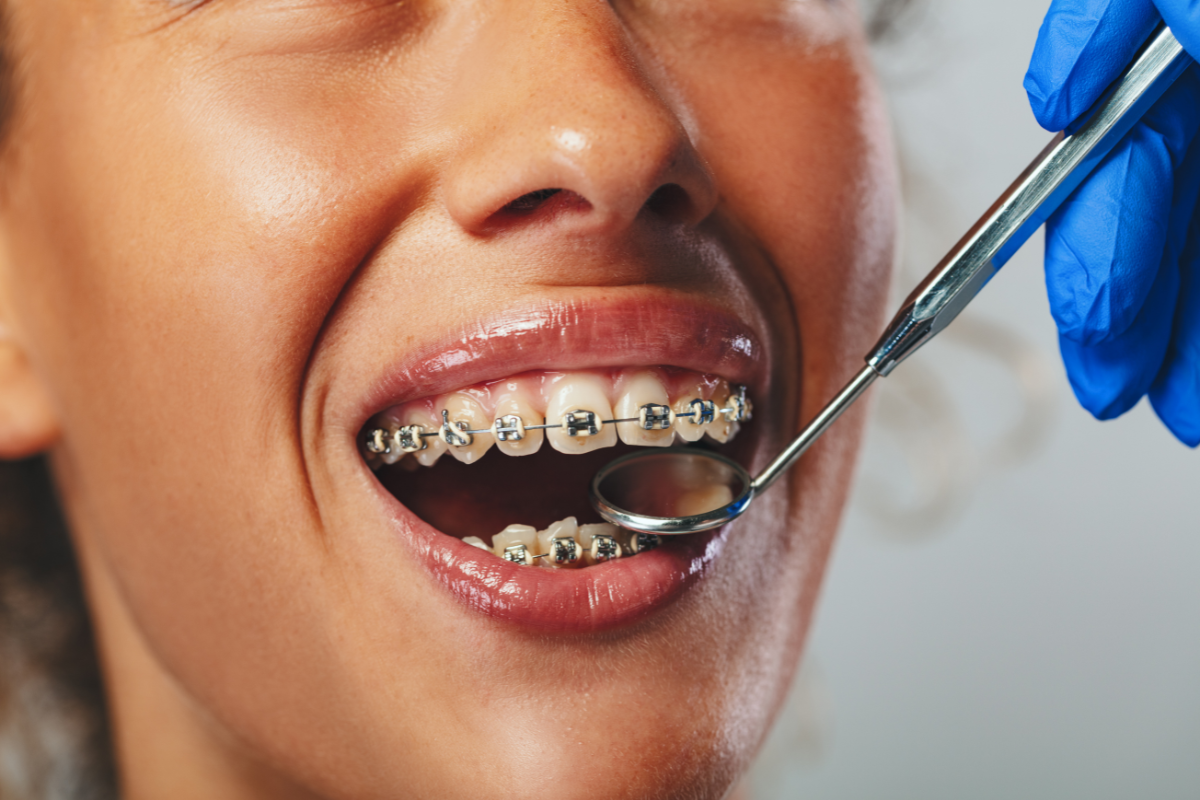
Modern metal braces use brackets and wires to apply controlled forces to the teeth. They can address many forms of crowding, spacing, and malocclusion.
Ceramic Braces
Ceramic braces work similarly to traditional braces but use clear or tooth-colored brackets. Their less noticeable appearance can appeal to adults who want fixed braces with a more discreet look.
Invisalign® Clear Aligners
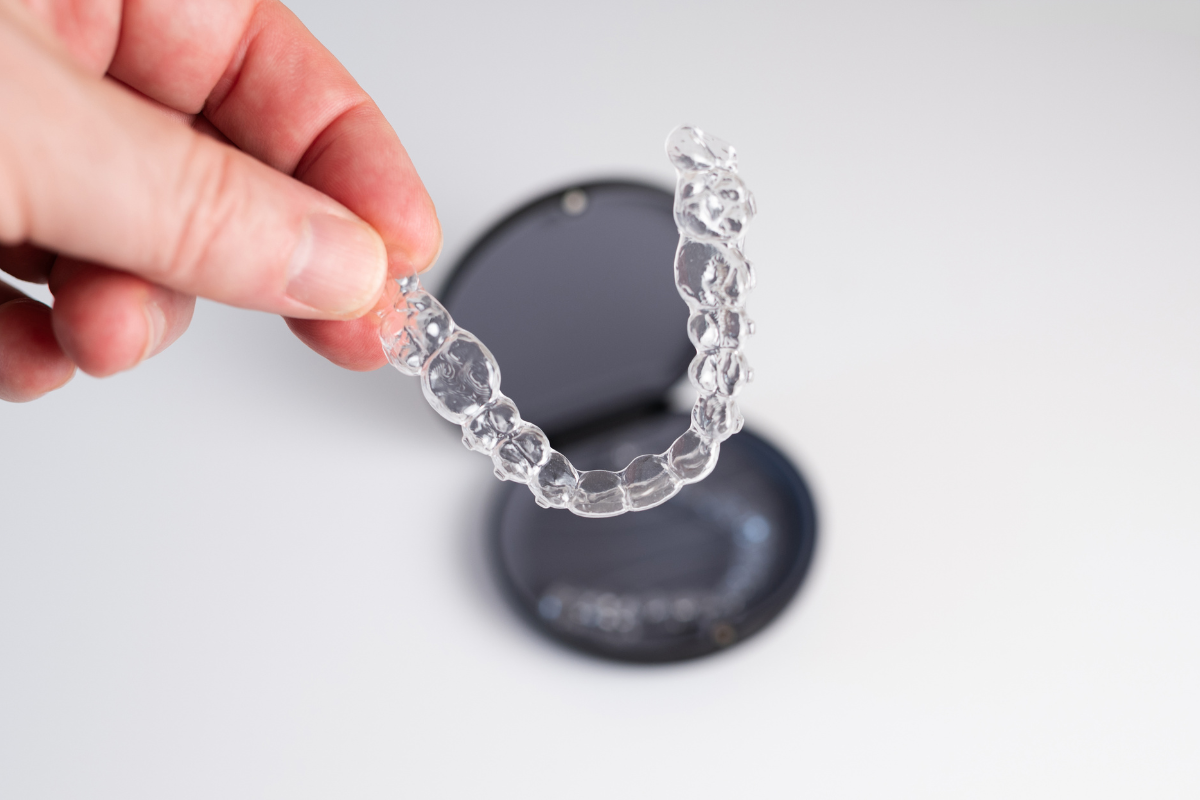
Invisalign uses a planned series of removable clear aligners to gradually reposition teeth. The practice uses digital impressions, radiographs, and photographs as part of the records process to help plan Invisalign treatment.
Our orthodontist in San Jose, CA, can determine which approach is appropriate after examining your teeth and bite. To discuss your concerns and treatment preferences, contact us for an orthodontic consultation.
Are Clear Aligners or Braces Better for Adults?
Neither option is automatically right for every adult. The appropriate choice depends on your orthodontic problem, oral health, daily habits, and ability to follow treatment instructions.
Clear aligners are removable, which can make eating and oral hygiene more convenient. However, they require consistent wear. Fixed braces remain on the teeth and can provide controlled movement for many orthodontic problems.
Our practice notes that treatment length varies according to the condition and treatment method. Its orthodontics page states that treatment may range from six months to three years, with many patients receiving care for about 18 to 24 months.
What Should Adults Know Before Starting Orthodontic Treatment?
Healthy gums and supporting tissues are especially important before adult orthodontics begins. Adults may also have crowns, bridges, implants, missing teeth, or prior dental treatment that should be considered during planning.
Before beginning care, your dental team may assess:
- Current gum and periodontal health
- Existing restorations or missing teeth
- Tooth and root positions
- Bite relationships
- Previous orthodontic treatment
- Oral hygiene habits
- Retention needs after treatment
The American Association of Orthodontists notes that adults may pursue treatment for concerns ranging from tooth wear and gum health to chewing and alignment problems.
What Happens After Your Teeth Are Straightened?
Finishing active treatment does not mean your teeth can never move again. Retention is essential to maintaining orthodontic results.
A retainer helps hold teeth in their corrected positions while the surrounding tissues adapt. Teeth can also shift naturally throughout adulthood. Following the recommended retainer schedule therefore remains important after braces or clear aligners are completed.
Patients who previously had braces but stopped wearing their retainers may notice new crowding years later. An evaluation can determine whether limited retreatment or more comprehensive care is appropriate.
Take the First Step Toward a Straighter Smile
There is no universal age when orthodontic care suddenly becomes “too late.” Healthy adults can often address crowding, spacing, bite concerns, and teeth that have shifted over time. The right starting point is a professional evaluation rather than choosing a treatment based only on appearance or convenience.
At Silicon Valley Pediatric Dentistry and Orthodontics – San Jose, Dr. Aaron and the team can evaluate your oral health and explain suitable adult orthodontics options. If you are searching for a trusted orthodontist in San Jose, visit our dental office to discuss your concerns and find out whether treatment is appropriate for your smile.
Frequently Asked Questions
- Can I get braces in my 40s or 50s?
Yes. There is no fixed upper age limit for braces. Healthy teeth can respond to controlled orthodontic forces during adulthood. Gum health, bone support, existing dental restorations, and your overall oral condition matter more than age alone. A professional examination can determine whether braces or another treatment option is appropriate.
- Can I straighten my teeth if I had braces years ago?
Yes. Teeth can shift after previous treatment, especially when retainers are no longer worn as directed. The amount of movement varies between patients. Some adults may need relatively limited correction, while others require more comprehensive treatment. An evaluation can identify what changed and determine an appropriate approach.
- Do adults usually choose Invisalign or braces?
Both are common choices. Clear aligners appeal to many adults because they are removable and discreet. Braces may be appropriate for a wide range of alignment and bite problems. Treatment selection should depend on clinical findings rather than appearance alone, so an evaluation is the safest place to begin.
- Will orthodontic treatment take longer for an adult?
Not necessarily. Treatment time depends on the complexity of tooth movement and bite correction, the treatment method, and patient cooperation. Adult bone is fully developed, which can influence planning in some cases. Keeping appointments, maintaining oral hygiene, and following instructions can also affect how smoothly treatment progresses.
- Should my gums be healthy before I straighten my teeth?
Yes. Healthy gums and adequate bone support are important because orthodontic forces act on the tissues surrounding your teeth. Active periodontal problems may need attention before tooth movement begins. A complete dental and orthodontic assessment can identify concerns and help establish the safest sequence of care.