Santa Clara: 408-249-5121
What Should I Use to Clean My Baby’s Teeth? Best Practices for Early Oral Hygiene

What Should I Use to Clean My Baby’s Teeth? Best Practices for Early Oral Hygiene
Parents in vibrant communities know the importance of healthy habits from the very beginning. One question that often comes up regarding oral health is: What’s the right way to clean my baby’s teeth? Early dental care helps prevent cavities, sets the foundation for lifelong oral health, and makes future dental visits stress-free. This guide explains best practices for keeping your child’s smile bright and healthy and addresses common concerns parents often have.
Why Is Early Oral Care Important?
Even before the first tooth appears, your baby’s mouth needs attention. Cleaning their gums removes bacteria, prevents early decay, and helps them get used to oral care routines. Starting these habits early also reduces anxiety about future dental visits, making it easier for families to stay consistent with care.
When Should You Start Brushing Your Baby’s Teeth?
The right time to start depends on your child’s development:
- Before teeth appear: Use a soft, damp cloth or infant gum wipes after feedings.
- When the first tooth erupts: Switch to a baby toothbrush with soft bristles and a rice-sized amount of fluoride toothpaste.
- After more teeth come in: Help your child brush twice a day, especially before bedtime.
What Should I Use to Clean My Baby’s Teeth?
Parents often wonder about the right tools and methods. It’s best to talk to a kids’ dentist in Santa Clara for professional expertise; however, you can also try these tips. Here’s a simple guide:
- Baby toothbrush: Pick one with a small head and soft bristles.
- Fluoride toothpaste: Use a smear (the size of a grain of rice) until age three, then a pea-sized amount as they grow.
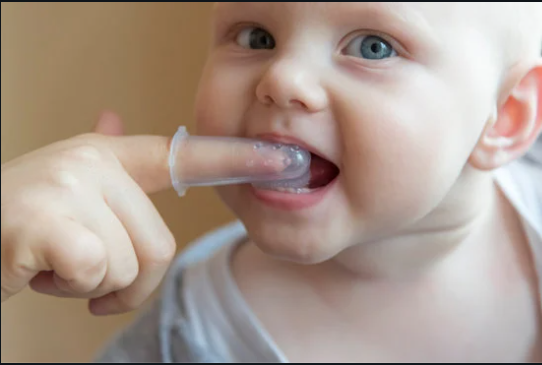
- Finger brushes: Ideal for babies who resist traditional brushes.
- Fluoride varnish: Ask your dentist if your child might benefit from additional protection.
How Often Should You Clean Your Baby’s Teeth?
Daily cleaning is essential, but the frequency changes as your child grows:
- Before teeth: Once a day after the last feeding.
- With teeth: Twice a day, morning and night.
This prevents plaque buildup and teaches kids that oral care is a regular part of life.
Signs It’s Time to See a Pediatric Dentist
Sometimes, parents aren’t sure when to make that first appointment. Look out for these signs:
- White or brown spots on teeth
- Swelling or bleeding gums
- Difficulty brushing due to pain
- Delayed tooth eruption
A pediatric dentist in Santa Clara, CA, can guide you on treatment or prevention steps.
Practical Tips for Parents
Here’s a quick checklist for easy reference:
- Start with a clean, damp cloth before teeth erupt.
- Use baby-safe brushes and fluoride toothpaste as teeth appear.
- Make brushing fun with music or games.
- Offer water after meals to rinse away food particles.
- Schedule the first dental visit by age one.
Give Your Baby’s Smile the Best Start
Healthy baby teeth pave the way for confident smiles in the future. If you want expert guidance for your child’s dental journey, Silicon Valley Pediatric Dentistry and Orthodontics is here to help. Our friendly team ensures your little one feels safe, supported, and excited about dental visits. Book an appointment today and set the foundation for a lifetime of healthy smiles.
What if My Baby Hates Brushing?
Use fun songs, let them hold the brush, or brush together as a family. Positive experiences matter.
Can Diet Affect Oral Health?
Yes, sugary snacks and drinks increase the risk of cavities. Offer water and healthy snacks instead.
Do We Really Need a Dentist So Early?
Absolutely. Visiting a kids’ dentist by age one ensures proper growth checks and cavity prevention tips.