Santa Clara: 408-249-5121
Why Some Children Cry After Dental Sedation and When to Worry


Why Some Children Cry After Dental Sedation and When to Worry
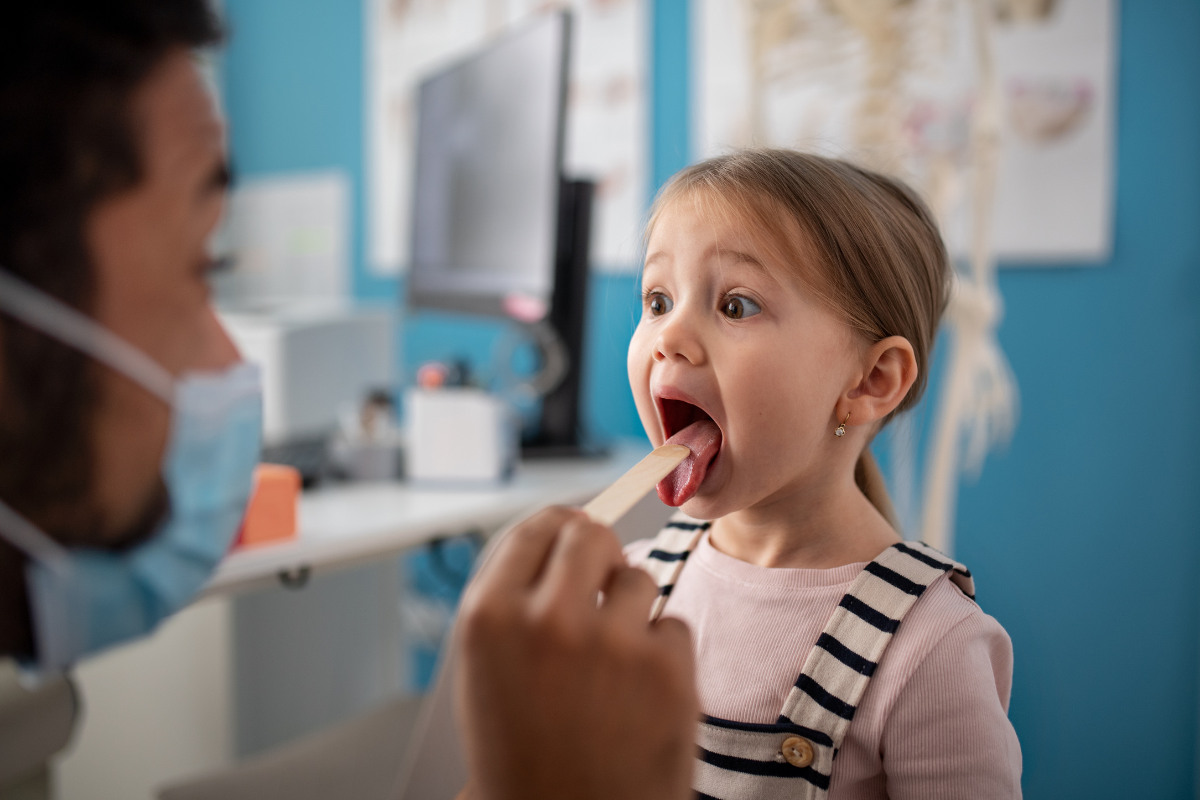
Watching your child cry after a dental procedure can be one of the hardest moments for any parent. You may have expected them to wake up feeling calm and comfortable, only to find them upset, tearful, or unusually emotional. Naturally, questions begin to race through your mind. Is this normal? Are they in pain? Should you call the dentist?
In many cases, these emotional reactions are a normal part of the recovery process. As the medication wears off, children may feel confused, sleepy, or temporarily overwhelmed. Understanding what to expect can help you respond with confidence while recognizing the signs that deserve professional attention.
At Silicon Valley Pediatric Dentistry & Orthodontics, we believe that informed parents feel more prepared during recovery. If you’re looking for trusted San Jose pediatric dentistry care, knowing what happens after treatment is just as important as understanding the procedure itself.
Is It Normal for a Child to Cry After Dental Sedation?
Yes, crying after dental sedation is a common response for many children, especially during the first few hours after their appointment.
Every child reacts differently to sedation medications. Some wake up quietly and gradually return to their usual routine, while others may appear emotional, clingy, or easily frustrated. These temporary changes are often related to the way the brain and body recover as the medication leaves the system.
Children may also become upset because they feel tired, hungry, thirsty, or simply unsure of what has happened. Younger children, in particular, may struggle to express these feelings with words, making crying their primary way of communicating discomfort or confusion.
Most emotional reactions improve steadily with rest, reassurance, and time. However, if your child’s crying becomes more intense instead of improving, or is accompanied by breathing difficulties, repeated vomiting, severe pain, or trouble waking up, you should contact your dental provider immediately.
Why Children May Cry After a Sedation Appointment
Parents often assume that crying means their child is hurting. While discomfort can sometimes play a role, there are several other reasons children become emotional during recovery.
They Are Waking Up Before They Feel Fully Alert
After dental sedation, children often regain consciousness before fully regaining awareness.
As they begin waking up, they may not immediately recognize where they are or understand why they feel different. This temporary disorientation can feel frightening, especially for younger children, leading to tears or clinginess.
Fortunately, this phase is usually brief and improves as your child becomes more awake.
Temporary Confusion Is Part of Recovery
Sedation medications affect the nervous system for several hours after treatment.
Even though the dental procedure is complete, your child may still feel groggy, emotional, or unusually sensitive. Some children seem unusually quiet, while others become restless or cry without an obvious reason.
These temporary behavioral changes are expected and generally fade as the medication continues to wear off.
Fatigue Can Make Emotions Stronger
A dental visit involves much more than the procedure itself.
Your child may have spent time waiting before treatment, experienced changes to their normal eating schedule, or simply become exhausted from the day’s events. Fatigue often lowers a child’s ability to regulate emotions, making even minor frustrations feel overwhelming.
Combined with lingering effects from dental sedation, tiredness can easily lead to tears during recovery.
Hunger, Thirst, or Dry Mouth May Add to the Problem
Many children are unable to eat or drink for several hours before their appointment.
After treatment, they may feel hungry, thirsty, or notice temporary dryness in their mouth. These sensations may seem minor to adults but can feel much more significant to young children.
Once your dentist recommends it’s safe to do so, offering small sips of water and gradually returning to light foods can often improve your child’s comfort.
Crying Does Not Always Mean Your Child Is in Pain
One of the biggest concerns parents have is whether their child is hurting.
While mild soreness is possible after certain dental procedures, crying alone is not a reliable sign of pain. Children frequently become emotional because they feel confused, sleepy, or overwhelmed rather than physically uncomfortable.
Younger children often cannot describe these feelings clearly. Instead, they seek comfort from their parents through crying, wanting to be held, or becoming unusually clingy. In many cases, these behaviors lessen as they begin feeling more like themselves.
What to Expect During the First Few Hours at Home
The hours immediately following treatment are often when parents notice the greatest emotional changes. Understanding what is considered typical can help reduce unnecessary worry.
During the Ride Home
Many children remain sleepy during the drive home.
Some may drift in and out of sleep, while others cry briefly before settling down again. These reactions are generally expected as the effects of dental sedation continue to decrease.
Keeping the car quiet and allowing your child to rest comfortably often helps make the trip home easier.
The First Hour After Arriving Home
Once you’re home, your child may want extra reassurance and physical comfort.
They might ask to be held, stay close to a parent, or show little interest in their usual toys and activities. Others simply prefer to lie down and rest quietly.
Providing a calm environment with minimal noise and activity gives your child the opportunity to recover at their own pace.
Recovery Often Improves Throughout the Day
As the medication continues to wear off, most children gradually become more alert and interactive.
It is common for appetite to return slowly, energy levels to improve, and emotional behavior to decrease over several hours. Some children may still seem tired by bedtime, but steady improvement throughout the day is generally a reassuring sign.
we often remind families that recovery looks a little different for every child. Parents seeking compassionate San Jose pediatric dentistry care frequently ask whether these emotional changes are expected, and in most cases, they are. If you ever have concerns about your child’s recovery, speaking with a childrens dentist in San Jose can provide the guidance and reassurance you need.
Signs Your Child Is Recovering Normally
Every child recovers at a different pace, but most begin feeling noticeably better within a few hours. While it’s natural to watch your child closely after returning home, there are several reassuring signs that indicate recovery is progressing as expected.
These may include:
- Crying that gradually becomes less frequent
- Wanting extra hugs, cuddles, or reassurance
- Feeling sleepy or taking a longer nap than usual
- Lower energy levels for the remainder of the day
- Temporary mood changes or clinginess
- Eating smaller amounts before returning to a normal appetite
- Showing increasing interest in playing or talking as the day goes on
Children often recover in stages rather than all at once. One moment they may seem emotional, and the next they may be smiling or asking for a favorite snack. As long as you notice gradual improvement, these changes are generally part of a healthy recovery.
When Crying May Signal Something More Serious
Although emotional behavior is expected for many children, parents should also know when symptoms fall outside the normal recovery process.
If your child’s condition seems to worsen instead of improve, it is important to seek professional guidance rather than waiting to see if it resolves on its own.
Persistent or Severe Pain
Some tenderness after treatment is expected, but severe pain that continues despite following your dentist’s instructions should never be ignored.
If your child cannot be comforted or appears to be experiencing significant discomfort for several hours, contact your dental office for further evaluation.
Difficulty Breathing
Breathing problems after dental sedation are uncommon, but they require immediate medical attention if they occur.
Watch for symptoms such as:
- Trouble catching their breath
- Wheezing
- Rapid or labored breathing
- Bluish lips or fingertips
These symptoms should always be treated as an emergency.
Repeated Vomiting
A small number of children may experience mild nausea after treatment.
However, repeated vomiting can increase the risk of dehydration and may indicate that your child needs additional medical evaluation. If vomiting continues or prevents your child from drinking fluids, contact your dentist promptly.
Your Child Is Extremely Difficult to Wake
It is completely normal for children to sleep more than usual after treatment.
However, they should still wake when gently encouraged and be able to respond appropriately before returning to sleep. If your child cannot be awakened easily or seems unusually difficult to arouse, contact your dental provider immediately.
Crying Continues to Get Worse
Most children become calmer as the day progresses.
If your child’s crying becomes more intense rather than improving, especially when accompanied by swelling, uncontrolled pain, fever, or unusual behavior, it warrants professional attention.
Trust your instincts. As a parent, you know your child’s normal behavior better than anyone else.
How to Comfort Your Child During Recovery
While time is often the biggest factor in recovery, there are several simple things you can do at home to help your child feel more comfortable and secure.
Create a Calm Recovery Space
Children recovering from sedation often become more sensitive to bright lights, loud sounds, and busy surroundings.
Choose a quiet room where your child can relax without unnecessary stimulation. Keeping televisions, music, and household activity to a minimum may help them settle more quickly.
Encourage Small Sips of Water
Hydration is important after dental sedation, but it is usually better to begin slowly.
Offer small sips of water first. If your child tolerates fluids well and your dentist has provided additional dietary instructions, you can gradually introduce soft foods as recommended.
Avoid encouraging large meals immediately after returning home.
Let Your Child Rest Naturally
Sleep plays an important role in recovery.
Rather than trying to keep your child awake, allow them to nap if they feel tired. Rest helps the body recover and often improves mood as the remaining medication leaves the system.
Check on your child periodically to ensure they are resting comfortably and can be awakened when necessary.
Follow Your Dentist’s Instructions for Pain Relief
Depending on the procedure performed, your child may have mild soreness after treatment.
Only use medications recommended by your dentist, and always follow the dosing instructions carefully. Avoid giving additional medicines unless your child’s dental provider has specifically advised you to do so.
Offer Plenty of Reassurance
Children often recover emotionally just as much as they recover physically.
Stay close, speak softly, and remind your child that they are safe. Holding their hand, reading a favorite story, or simply sitting beside them can provide tremendous comfort during recovery.
we encourage parents to reach out with any questions after treatment. Families looking for dependable San Jose pediatric dentistry care often tell us that understanding what to expect makes the recovery process much less stressful. If you ever feel uncertain about your child’s symptoms, a childrens dentist in San Jose can help determine whether everything is progressing normally.
Quick Tip for Parents
Most children recover comfortably with plenty of rest, fluids, and reassurance from a parent or caregiver.
If your child’s symptoms become more severe, continue longer than expected, or include trouble breathing, repeated vomiting, significant pain, or unusual behavior, contact your dental office right away. Prompt communication can provide peace of mind and ensure your child receives the care they need.
Helping Your Child Recover With Confidence
It is completely understandable to feel concerned when your child continues crying after a dental appointment. Fortunately, in most cases, these emotional reactions are a temporary part of the recovery process rather than a sign that something is wrong. As the effects of dental sedation wear off, children often become calmer, more alert, and gradually return to their usual routines.
The most important thing parents can do is provide a calm environment, encourage rest, and closely follow the recovery instructions provided by their dental team. At the same time, it is equally important to recognize symptoms that require prompt attention, such as difficulty breathing, persistent severe pain, repeated vomiting, or extreme difficulty waking up.
At Silicon Valley Pediatric Dentistry and Orthodontics – San Jose, we understand that parents have questions before, during, and after their child’s visit. Our goal is to make every experience as comfortable as possible while helping families feel informed and confident throughout the recovery process. Whether you are preparing for a procedure or have concerns afterward, our team is here to provide compassionate guidance through San Jose pediatric dentistry.
Give Your Child the Care They Deserve
If you have questions about your child’s recovery or would like to learn whether dental sedation is appropriate for an upcoming procedure, we’re here to help. Schedule a visit with us and meet with our trusted childrens dentist in San Jose who will take the time to answer your questions, explain every step of treatment, and help your child feel safe and comfortable. Contact our office today to book an appointment and give your child a positive dental experience from start to finish.
Frequently Asked Questions
- Is it normal for my child to cry after sedation?
Yes, many children become emotional, clingy, or confused as dental sedation wears off. These reactions usually improve within a few hours as your child becomes more alert.
- Why is my child so upset even though the procedure is over?
Your child may still be feeling sleepy, disoriented, hungry, or overwhelmed. Crying is often their way of expressing those temporary feelings rather than a sign that something is wrong.
- How long do emotional changes usually last?
Most children begin acting more like themselves within two to six hours. Some may remain tired or a little emotional until bedtime, depending on the type of sedation used.
- Should I let my child sleep after treatment?
Yes, rest is an important part of recovery. Your child should be able to wake when gently prompted and respond normally before drifting back to sleep.
- When should I call the dentist?
Contact your dental office if your child has trouble breathing, repeated vomiting, severe pain that doesn’t improve, extreme difficulty waking up, or crying that becomes worse instead of better.
- Can toddlers cry for several hours after sedation?
Yes, younger children sometimes remain emotional longer because they have a harder time understanding why they feel different. As long as they continue improving, this is usually a normal part of recovery.