Santa Clara: 408-249-5121
How to Make Dental Visits Easy for Young Smiles

How to Make Dental Visits Easy for Young Smiles
Summary- Dental anxiety is one of the biggest reasons parents struggle to get their kids to the dentist. This blog explores why children in Sunnyvale develop dental fears, how their local diet and lifestyle increase cavity risk, and what a specialized pediatric dental office does to turn anxiety into comfort. It covers child-friendly environments, gentle communication techniques, sedation options, and practical tips that parents can use at home to help their child have a stress-free, positive dental experience.
Does your child freeze up the moment they hear the word “dentist”? You are not alone. Across Sunnyvale, countless parents face this same challenge every day.
However, the good news is that a visit to the right dental office can completely change the story. Silicon Valley Pediatric Dentistry and Orthodontics, led by Dr. Aaron, has helped hundreds of kids go from scared to smiling.

As a trusted pediatric dentist in Sunnyvale, we know how to create a warm, calm, and child-friendly environment that puts your little one at ease from the very first visit.
Why Kids in Sunnyvale Are More Prone to Dental Issues
Sunnyvale is a thriving, fast-paced tech hub where families are always on the go. Between school, extracurricular activities, and busy work schedules, oral hygiene often takes a back seat. Kids here tend to snack frequently on convenient options like juice pouches, granola bars, fruit gummies, crackers, and sports drinks. While these may seem healthy or harmless, they are loaded with sugars and starches that cling to teeth and fuel cavity-causing bacteria.
The warm, dry Bay Area climate also means kids drink fewer glasses of plain water throughout the day, reducing the natural flushing effect that water provides. When dental hygiene habits are inconsistent, the risk of cavities, early tooth decay, and gum irritation increases rapidly, especially in young children whose enamel is still developing.
This is exactly why routine dental care matters so much for children in Sunnyvale and surrounding areas like Santa Clara, Cupertino, and Mountain View. Catching problems early prevents bigger issues later, and it all starts with making that first dental visit a positive one.
Why So Many Kids Feel Afraid of the Dentist
Dental anxiety in children is very common and completely understandable. Here are the most frequent reasons kids dread dental visits:
- Fear of the unknown: Young children do not know what to expect. Unfamiliar sights, sounds, and smells in a dental office can feel overwhelming.
- Stories from others: Kids hear negative stories from friends or siblings and carry that fear into their own visit.
- Sensory sensitivity: The sounds of drills or suction tools can startle children who are sensitive to noise.
- Loss of control: Lying back in a dental chair with someone working inside their mouth can make children feel helpless or trapped.
- Past negative experiences: A prior painful or rushed dental visit can leave a lasting impression that makes every future visit harder.
Understanding these triggers is the first step toward overcoming them. Your trusted children’s dental specialist knows how to address every one of these fears, and that is exactly what our team does every single day.
What Makes Silicon Valley Pediatric Dentistry and Orthodontics Different
Not every dental office is built with children in mind. At our dental practice in Sunnyvale, every element of our practice, from the decor to the way our team speaks to your child, is designed to create a calm, welcoming, and fun experience.
A Child-Friendly Environment That Feels Safe
From the moment your child walks through our doors, they enter a space designed just for them. Bright, cheerful colors, engaging decor, and a relaxed atmosphere set the tone immediately. There are no cold, clinical waiting rooms here. Our goal is to make your child feel like this is a fun place to be, not a place to fear.
Gentle Communication and Tell-Show-Do Technique
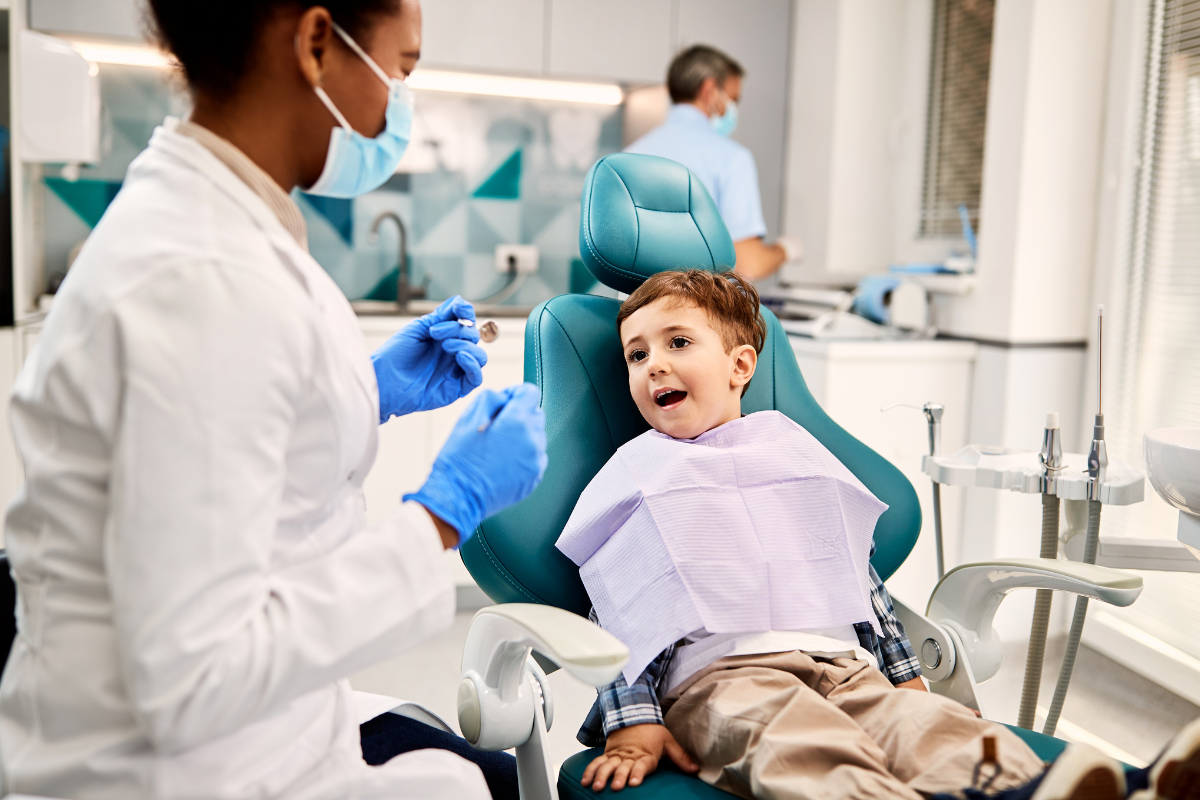
The providers use a proven technique called Tell-Show-Do. They first tell your child what they are going to do in simple, non-scary language. Then they show them the tools and what they do. Finally, the dentist performs the procedure, slowly and gently. This removes the element of surprise and helps children feel informed and in control.
A Team Trained Specifically to Work With Children
The dental professionals are not just dentists; they are specialists in pediatric dentistry with years of additional training focused entirely on the oral health and emotional needs of children. They know how to read a child’s body language, adjust their pace, and make each visit feel less like a medical appointment and more like a friendly check-in.
Positive Reinforcement After Every Visit
We celebrate every child’s bravery. Small rewards, high-fives, and genuine praise at the end of each visit help your child build a positive memory of dental care. Over time, this transforms fear into confidence, and confident kids grow into adults who take great care of their oral health.
Ready to give your child a positive dental experience? Call our office today or visit us at our location. Book an appointment and let us show your child that the dentist’s office can be a great place.
Sedation Dentistry: A Safe Option for Highly Anxious Children
For children who experience significant anxiety or who need more extensive dental work, sedation dentistry offers a safe, comfortable solution. At our office, we offer carefully monitored sedation options to help your child relax completely during treatment.
Nitrous Oxide (Laughing Gas)
Nitrous oxide is a mild, fast-acting gas that helps children feel calm and relaxed during their appointment. It is one of the most widely used and safest forms of dental sedation for children. The effects wear off within minutes after the appointment, so your child can return to normal activities the same day.
IV Sedation and General Anesthesia
In cases where a child requires extensive treatment or has extreme anxiety, IV sedation or general anesthesia may be used. Our team works with board-certified anesthesiologists to ensure your child’s complete safety throughout the procedure. Every step is carefully monitored, and your child’s comfort and well-being come first.
All sedation options at our practice are administered by trusted professionals in accordance with strict safety protocols. We take the time to explain every option to you before making any decision, so you always feel fully informed and confident.
How Parents Can Help Before the Visit
Your attitude and preparation play a huge role in how your child feels about a dental visit. Here are some practical steps you can take at home:
- Use positive language: Avoid words like “hurt,” “shot,” or “pain.” Instead, say things like, “The dentist is going to count your teeth and make them sparkle!”
- Read books or watch videos: There are many fun children’s books and cartoon episodes featuring positive dental visits. These help normalize the experience.
- Play “dentist” at home: Let your child pretend to be the dentist and check your teeth, then trade roles. This makes the experience feel familiar and non-threatening.
- Stay calm yourself: Children pick up on parental anxiety very quickly. If you feel nervous, do your best to project calm and confidence before and during the visit.
- Schedule wisely: Book appointments for times when your child is well-rested and fed. Avoid nap time or the late afternoon, when kids are naturally not in a good mood and less cooperative.
When Should Your Child’s First Dental Visit Happen?
The American Academy of Pediatric Dentistry recommends that children see a pediatric dental specialist by age 1 or within 6 months of their first tooth appearing. Starting early is the single best thing you can do for your child’s long-term oral health. Early visits are short, gentle, and mostly educational; they help your child get comfortable with the environment long before any real treatment is needed.
For families in Sunnyvale and the surrounding South Bay area, getting regular checkups every six months is the standard recommendation. Consistent visits mean fewer surprises and far less treatment down the road.
Building Long-Term Healthy Habits Through Positive Visits
A child who has positive dental experiences early in life is far more likely to maintain good oral hygiene as they grow up. They will brush and floss consistently, avoid problem foods and drinks, and see the dentist regularly without anxiety or resistance. This is the foundation of lifelong dental health, and it all starts with the very first visit going well.
As a trusted Sunnyvale pediatric dentist office, we see the difference positive early experiences make all the time. Kids who love coming to the dentist grow into teens and adults who genuinely care about their oral health, and that sets them up for a lifetime of strong, healthy smiles.
Your Child Deserves a Dental Visit. They Can Smile About
Dental anxiety is real, but it does not have to define your child’s relationship with oral health. With the right team, the right environment, and the right approach, every dental visit can be a comfortable, even enjoyable experience for your little one.
At Silicon Valley Pediatric Dentistry and Orthodontics, we have built our entire practice around making children feel safe, heard, and happy. From our gentle communication style to our sedation options, everything we do is focused on one goal: giving your child the best possible start in dental health.
Sunnyvale families trust us because we truly care. We are not just cleaning teeth; we are building confidence, creating lifelong habits, and supporting the overall health of your child.
Schedule Your Child’s Appointment Today! Visit us at 516 W Remington Dr #2, Sunnyvale, CA 94087, or call us at +14087363311. Take the first step toward a lifetime of healthy, happy smiles. Your child’s best dental experience starts here.
Frequently Asked Questions
- At what age should my child first visit the dentist?
The recommended age for a child’s first dental visit is by age one or within six months of the first tooth appearing. Starting early helps children grow comfortable with dental visits and allows the dentist to catch any early signs of tooth decay or developmental concerns before they become bigger problems.
- How can I tell if my child has dental anxiety?
Common signs of dental anxiety in children include crying, refusing to get into the dental chair, complaints of stomach aches before appointments, or excessive clinging to a parent. If your child shows any of these signs, choosing a dental office that specializes in children and uses a gentle, communicative approach can make a significant difference.
- Is sedation dentistry safe for young children?
Yes, sedation dentistry is safe when administered by trained specialists who follow strict protocols. Options like nitrous oxide are very commonly used and wear off quickly with no lingering side effects.
- What should I say to my child before a dental appointment to keep them calm?
Use simple, positive language. Say something like, “The dentist is going to check your teeth and help keep them strong and healthy!” Avoid mentioning anything that might sound scary or painful. You can also read child-friendly books about dental visits or do a playful “tooth check” at home beforehand to help your child feel familiar with what to expect.
- How often should children visit the dentist?
Most children’s dental professionals recommend checkups every six months. Regular visits allow the dentist to monitor your child’s tooth development, perform professional cleanings, apply preventive treatments such as fluoride or sealants, and catch issues early before they require more involved treatment.
- What can I do if my child refuses to open their mouth at the dentist?
This is more common than you might think. A great children’s dental specialist has specific techniques, including the tell-show-do method, distraction tools, and gentle reassurance, to help even the most resistant children cooperate. Consistent, regular visits from a young age also significantly reduce this behavior over time as children become familiar and comfortable with the process.